
Why Is My Key Stuck? Causes and Next Steps
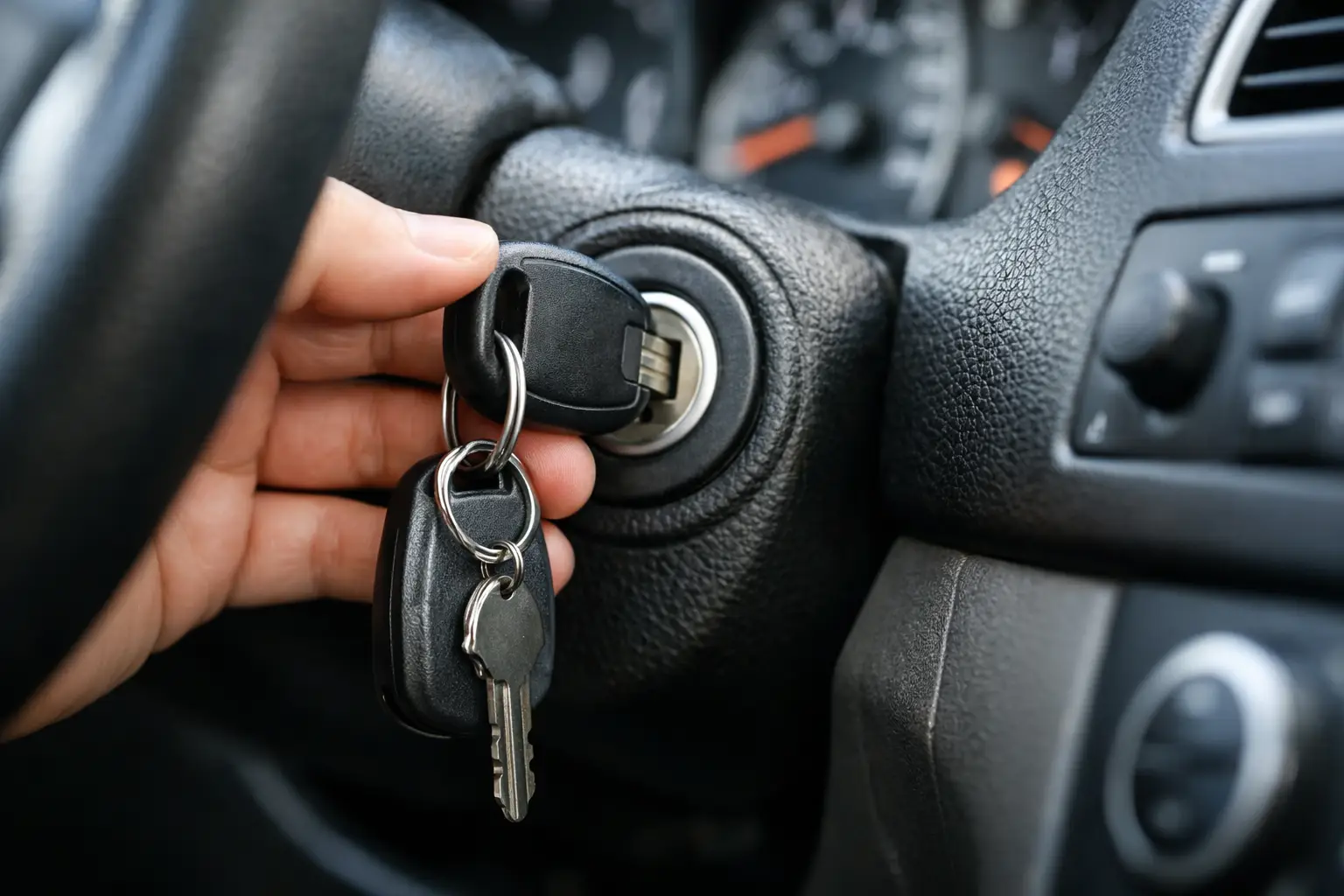
A key that will not turn, come out, or go fully into the lock can stop your day quickly. If you are asking, why is my key stuck, the answer may be as simple as a misaligned door or as technical as worn internal lock components. The right response matters. Forcing a key can bend it, break it inside the lock, or turn a repairable issue into an urgent lockout.
Whether the problem is at your front door, office, mailbox, car door, or ignition, start by slowing down. A lock is a precision mechanism. Small changes in key position, door pressure, weather, or wear can keep its internal pins from lining up correctly.
Why Is My Key Stuck in the Lock?
A key can be stuck in several ways: it may not insert completely, it may insert but refuse to turn, or it may turn but not release when you try to remove it. Each symptom points to a slightly different issue.
At a home or business door, misalignment is one of the most common causes. Doors expand and contract with changing temperatures and humidity. Hinges can sag over time, and a strike plate can shift. When the latch or deadbolt is under pressure, the key may be difficult to turn or remove even though the key itself is fine.
Inside the lock, worn pins, springs, or the cylinder can also create resistance. A key that has been used for years may have worn edges that no longer lift the pins precisely. Dirt, corrosion, and old lubricant can interfere with movement as well, particularly on exterior locks exposed to rain, road salt, and seasonal temperature changes.
For vehicles, the cause may be a worn ignition cylinder, steering wheel pressure, a key fob issue, or a problem with the transmission interlock. Modern car keys and ignition systems are more complex than standard house keys, so repeated force can cause additional damage.
First, Identify What the Key Is Doing
Before trying anything, pay attention to the exact behavior. If the key will not go all the way in, the keyway may contain debris, the key may be damaged, or you may be using the wrong key. If it goes in but will not turn, door pressure, internal lock wear, or key wear is more likely.
If the key turns but will not come out, check whether the lock is fully in its proper position. Many cylinders only release a key when the plug is exactly aligned. Moving the key gently back toward the locked or unlocked position may be enough to release it.
A key that sticks only at certain times of day often points to door alignment or weather-related movement. A key that sticks every time, on the other hand, usually indicates a key or lock issue that deserves professional inspection.
What You Can Try Without Forcing the Lock
Start with the least aggressive approach. Remove pressure from the door by pushing or pulling it slightly while making a gentle attempt to turn the key. If the door has settled against the frame, this can take pressure off the latch or deadbolt and allow the cylinder to move.
If the key is stuck in the ignition, check that the vehicle is fully in Park. In many vehicles, the key cannot be removed unless the transmission is properly positioned. You can also gently move the steering wheel left and right while turning the key. A locked steering wheel can place tension on the ignition cylinder.
For a dry or dirty lock, use a lock-specific dry lubricant according to the product instructions. Avoid household oils, grease, and general-purpose sprays. They can collect dirt inside the cylinder and may make the problem worse over time. Use only a small amount, then work the key gently without twisting hard.
If you have a spare key, compare it with the stuck key rather than immediately inserting it. If the spare looks sharper and less worn, the original key may be the problem. A locksmith can cut a properly working replacement from the better key or service the lock if wear is present in both.
What Not to Do When a Key Is Jammed
A stuck key creates understandable frustration, especially when you are outside your home, trying to close a business, or stranded with a vehicle. Still, a few common reactions cause more damage than the original issue.
- Do not twist the key with pliers, grip it with locking tools, or pull it aggressively. Extra leverage can break the blade inside the lock.
- Do not hammer the key or strike the lock. That can damage internal components and the surrounding door hardware.
- Avoid repeatedly jiggling a key with heavy force. Gentle movement is one thing, but rapid, forceful movement can wear pins, bend the key, or damage the ignition.
- Do not try to disassemble a door lock or vehicle ignition while locked out. A partially removed cylinder or misplaced internal parts can make it more difficult to secure the property afterward.
Commercial doors with panic hardware, access control, or master key systems require particular care because an incorrect repair can affect more than one entry point.
When a Stuck Key Needs a Professional Locksmith
Call a professional locksmith when the key will not move with gentle pressure, when it is visibly bent or cracked, or when the lock has been sticking repeatedly. Immediate help is especially appropriate if the key is stuck in an exterior door, a business entry, or a vehicle ignition and you cannot secure or operate the property.
A licensed and insured locksmith can diagnose whether the failure is in the key, the cylinder, the door alignment, the ignition, or the vehicle’s electronic system. The appropriate repair may involve extracting a broken key, servicing the cylinder, correcting hardware alignment, rekeying the lock, replacing damaged components, or programming a vehicle key where applicable.
For homeowners and property managers, recurring resistance is a useful warning sign. A lock that works only after several attempts is not dependable access control. Addressing it before the key breaks helps protect your access and avoids a late-night emergency.
Drivers should be especially careful with keys that have remote buttons, transponder chips, or electronic components. A damaged key may still start the car intermittently, but it can fail at the worst possible moment. Professional automotive locksmith service can identify whether the issue is mechanical, electronic, or related to the ignition cylinder.
Preventing Another Stuck Key
A little maintenance goes a long way. Keep keys clean and avoid using them as package openers, screwdrivers, or pry tools. Heavy keychains can also put unnecessary strain on some vehicle ignitions over time.
For exterior doors, pay attention to changes in how the door closes. If you need to lift, pull, or push the door to turn the deadbolt, have the alignment checked before the cylinder begins to bind. Periodic lock service is particularly helpful for rental properties, busy offices, and doors exposed to frequent traffic or weather.
It also helps to keep a tested spare key in a trusted location. Test it occasionally, because an old spare can wear or become damaged just like the everyday key.
When a key hesitates, treat it as a signal rather than an inconvenience. A quick professional diagnosis can restore dependable access before a small lock issue leaves you outside, unable to secure your property, or unable to start your vehicle.