
🔢 Keypad Deadbolts
Keypad Deadbolt Review for Montgomery County Homes
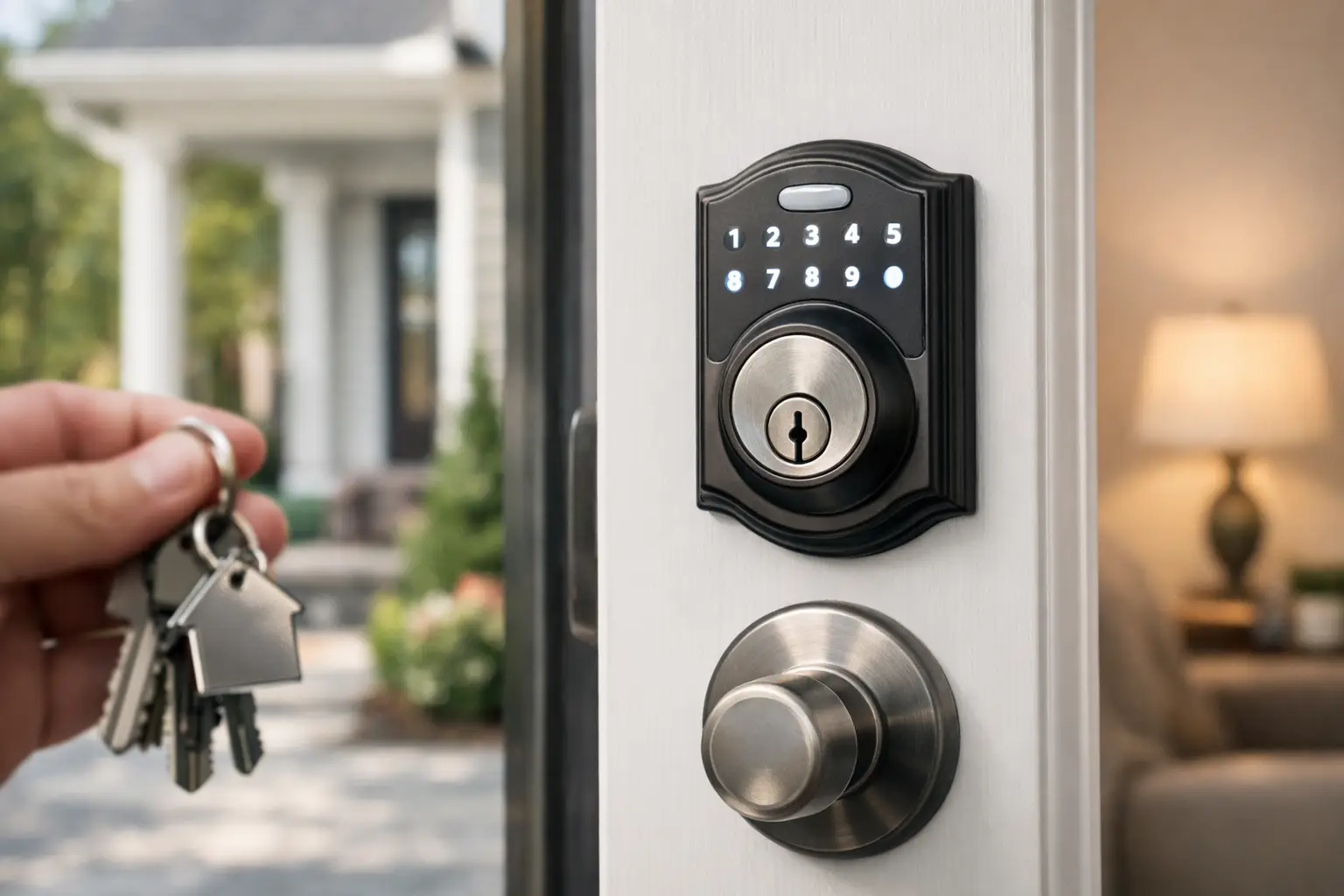 A keypad lock can eliminate the scramble for house keys after a school pickup, dog walk, or late arrival home. But a keypad deadbolt review should look beyond the convenience of entering a code. The right lock must fit the door correctly, resist everyday wear, and give the homeowner dependable access when batteries, weather, or hardware issues arise.For homes in Montgomery County, a keypad deadbolt is often a practical upgrade for front doors, side entries, garages, rental properties, and home offices. It can reduce the need for copied keys and make it easier to change access after a contractor finishes work or a tenant moves out. Still, keypad locks are not one-size-fits-all. Door condition, household routines, and the level of access control you need all affect the right choice.
Keypad Deadbolt Review: What Matters Most
The first question is whether the lock has a true deadbolt mechanism. Some electronic door products operate only a spring latch. A deadbolt extends a solid bolt into the door frame and generally provides stronger resistance to forced entry when it is installed properly. For an exterior entry, look for a keypad product built around a deadbolt rather than relying on a keypad handle alone.Build quality matters just as much as the keypad. The exterior housing should feel firmly mounted, the buttons should respond consistently, and the interior thumbturn should operate without sticking. A lock that feels loose during installation can become more troublesome over time, especially on a frequently used family entrance.Pay attention to the bolt itself. When the door closes, the bolt should enter the strike opening smoothly without needing to push, pull, or lift the door. If it binds, the issue may be door alignment, worn hinges, frame movement, or an undersized strike opening. Installing a new keypad deadbolt over an existing alignment problem can lead to premature battery drain and motor failure.Mechanical keypad deadbolts versus electronic models
Mechanical keypad deadbolts use physical buttons and do not require batteries. They suit property owners who prefer a straightforward code-based lock with fewer electronic components. The trade-off is that changing the code can be less convenient, and these locks usually offer fewer user-management features.Electronic keypad deadbolts run on batteries and allow codes to be added or deleted through the keypad or a companion app, depending on the model. Many provide a low-battery warning, an illuminated keypad, automatic locking, and temporary codes for guests or service providers. Those features are useful, but they also create more components that must be installed and maintained correctly.A connected smart deadbolt adds remote access and activity notifications. That can be helpful for landlords, busy households, and property managers who need to manage access without meeting someone at the door. It also depends on reliable setup, account management, and home connectivity. If your main goal is dependable keyless entry at one door, a standard electronic keypad deadbolt may be the better fit.Door Fit Is More Important Than the Box Features
A keypad deadbolt can only perform as well as the door, frame, and strike hardware supporting it. Before selecting a model, confirm that the door thickness, borehole size, backset, and cross-bore spacing match the lock requirements. Older homes sometimes have nonstandard openings, damaged wood around the lock, or previous hardware modifications that need professional attention.The strike plate deserves close attention. The deadbolt should enter solid framing, and the strike should be secured with screws long enough to reach structural material beyond the trim. A decorative strike plate attached only to a weak section of jamb does little to improve the overall strength of the entry.Weather exposure is another factor. A front door beneath a covered porch has different needs than a side door exposed to rain, sunlight, and temperature changes. Check the manufacturer’s suitability guidance for exterior use, and consider how often the keypad will be exposed to moisture or direct afternoon sun. Keypad buttons, batteries, and finishes all last longer when the lock is matched to its environment.Features That Help in Real Homes
The most useful features are the ones your household will actually use. A backlit keypad helps when arriving after dark. A one-touch lock function can be convenient when leaving with groceries or children. Auto-locking can reduce the chance of a door being left unsecured, although it should be set carefully so no one is locked outside during a quick trip to the mailbox.User codes are especially valuable when different people need access. Rather than giving everyone the same code, assign separate codes to household members and delete a code when it is no longer needed. Temporary codes can work well for a pet sitter, cleaner, visiting relative, or scheduled repair appointment. For rental homes and small offices, this provides more control than repeatedly collecting and replacing physical keys.A key override is worth considering, but it should not be treated as a substitute for maintaining the lock. Keep the override key available to authorized occupants, not hidden outside near the door. Some homeowners prefer a keypad-only exterior for a cleaner appearance, while others want the familiar backup of a key cylinder. The better option depends on how the home is used and who needs access.When comparing keypad deadbolts, focus on these practical questions:- Does the lock use a deadbolt designed for an exterior door?
- Can each regular user have an individual access code?
- Does it provide clear low-battery alerts before power becomes urgent?
- Is the exterior trim suited to the door’s weather exposure?
- Does the existing door and frame allow the bolt to extend freely?