📅 August 20, 2026📄 Multi Locksmith LLC📍 Montgomery County, MD
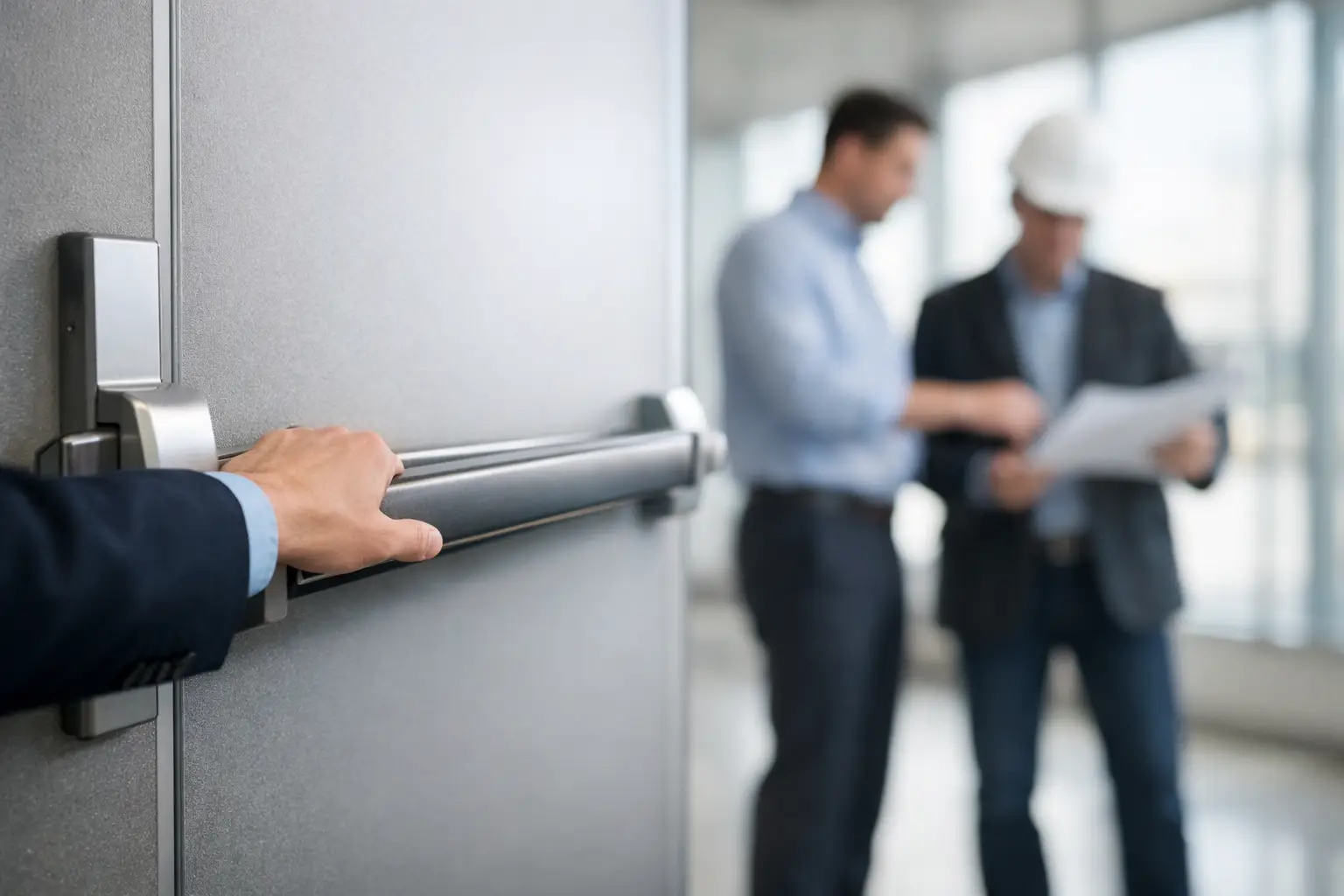
A rear exit door that sticks, requires a key, or has the wrong exit device can turn an ordinary building issue into a serious emergency. Knowing how to choose panic hardware means looking beyond the bar itself. The right device must allow people to exit quickly, work with the door and frame, support your building’s security plan, and meet applicable code requirements.For business owners, office operators, and property managers, panic hardware is not a detail to postpone until a failed inspection or an emergency exposes the problem. It is a critical part of how your building protects employees, customers, tenants, and visitors.
Start With the Door’s Purpose and Occupancy
Panic hardware, also called exit hardware or a panic bar, is designed to release a door with a simple pushing motion. It is commonly used on doors in commercial spaces, schools, medical offices, retail locations, assembly areas, and multi-tenant properties where occupants may need to leave quickly.The first question is not which style looks best. It is who uses the door, where it leads, and what happens during an emergency. A main customer exit may need durable hardware that handles constant use. A staff-only rear door may need controlled access from the exterior while remaining immediately operable from the inside. A pair of doors in a larger occupancy may require a different configuration than a single office exit.Building and fire code requirements can depend on occupancy type, occupant load, door location, and whether the opening is part of a required means of egress. Requirements also change when a door is fire-rated or tied to an access control system. A professional site assessment helps identify the correct path before hardware is ordered or installed.
How to Choose Panic Hardware by Door Type
The door and frame determine what hardware can be installed properly. Material, width, height, handing, condition, and existing prep all matter. Installing an exit device that does not match the opening can lead to poor alignment, difficult latching, premature wear, or an exit door that does not function when needed.
Single Doors Often Use Rim Exit Devices
A rim exit device mounts on the interior face of the door and latches onto a strike on the frame. It is a common choice for single exterior doors because it is reliable, visible, and compatible with many commercial door types. It can be a practical solution for storefronts, office rear exits, and service doors.If exterior entry needs to be controlled, the device can often be paired with compatible outside trim, a keyed cylinder, or an electronic access component. The inside exit operation must remain simple and unobstructed.
Double Doors May Need Vertical Rod Hardware
Double-door openings frequently use vertical rod exit devices. These devices secure the inactive door at the top and bottom, allowing both leaves to operate correctly when the exit device is pressed. Surface vertical rods are visible on the door face, while concealed vertical rods are installed within the door for a cleaner appearance.Concealed hardware may suit a polished office or public-facing property, but it requires doors and frames that can accommodate it. Surface-mounted options are often easier to inspect and service. The better choice depends on the opening, expected traffic, and long-term maintenance needs.
Narrow Stile Aluminum Doors Need Compatible Hardware
Aluminum glass storefront doors have narrow door stiles, which limits the hardware that can fit. These doors often require narrow stile rim devices or other products designed for their specific profile. Using a device meant for a wider hollow-metal door is not a shortcut. It can compromise both operation and the appearance of the entrance.
Fire-Rated Openings Require Extra Care
A fire-rated door assembly must use properly listed and compatible hardware. The door, frame, closer, latch, hinges, and exit device work together as an assembly. Drilling unauthorized holes, changing the latch incorrectly, or adding incompatible components can affect the opening’s rating and performance.This is an area where a qualified locksmith should verify the labels on the door and frame before recommending changes. The most secure-looking device is not the right choice if it conflicts with the requirements of a rated opening.
Select the Operating Style That Fits the Building
Panic hardware comes in several operating styles. The choice should be based on usability, traffic level, durability, and the door’s required function rather than appearance alone.A touchpad style has a broad push surface and is widely used in commercial environments. A crossbar style is more traditional and may be chosen for particular door designs or replacement projects. Some devices are alarmed, creating an audible alert when the door is opened. This can help discourage unauthorized use of emergency exits without blocking egress.Delayed egress and controlled egress systems involve additional life-safety and code considerations. These systems may be appropriate in limited situations, but they are not standard replacements for ordinary panic hardware. Their use should be evaluated carefully with the authority having jurisdiction and a security professional who understands the full door system.
Balance Emergency Exit With Exterior Security
A panic bar must make exit easy from the inside. That does not mean the exterior must remain unprotected. The correct setup balances free egress with appropriate access control from the outside.For a basic staff door, mechanical outside trim with a key may be enough. For offices, medical practices, or managed commercial properties, electronic access can allow authorized employees to enter with credentials while the exit device remains functional for everyone inside. In other cases, a door-position switch or alarm can notify staff when an exit is opened unexpectedly.The key is to avoid improvised solutions. Chains, slide bolts, blocked doors, and unauthorized secondary locks can create dangerous conditions and may violate code. If a door is being misused for unauthorized entry, address the access-control problem with the right hardware instead of restricting the exit path.
Need Professional Panic Hardware Installation?
Multi Locksmith LLC provides licensed and insured commercial locksmith support throughout Montgomery County, including panic hardware installation, exit device repair, and code-compliant door hardware upgrades.📞 Call 240-706-4799
Do Not Overlook Door Closers, Latches, and Alignment
Even excellent panic hardware cannot compensate for a damaged or poorly aligned door. Before installation, inspect whether the door closes fully, latches consistently, and clears the threshold and frame without rubbing. A worn door closer, sagging hinges, bent frame, or loose strike can prevent an exit device from latching correctly.Door closers deserve particular attention. The closer must bring the door shut and allow the latch to engage without slamming. On a fire-rated opening, positive latching is especially critical. On high-traffic doors, a commercial-grade closer and properly adjusted hardware reduce service calls and help the opening remain dependable.A professional installer will evaluate the entire opening, not simply mount a bar and leave. That includes checking the condition of the frame, fasteners, hinges, latch engagement, exterior trim, and any access control components.
Plan for Daily Use and Ongoing Maintenance
Panic hardware is emergency equipment, but it is often used every day. A device on a busy retail exit or employee entrance needs to withstand repeated cycles without becoming loose or difficult to operate. Choosing commercial-grade hardware suited to the traffic level is usually more dependable than selecting a light-duty product for a demanding opening.After installation, designate someone to check exit doors routinely. The door should open from the inside with normal pressure, close fully, latch securely, and remain free of stored materials or obstructions. Staff should also know that an alarmed door or access-controlled door is never a reason to delay emergency exit.Schedule service when you notice a loose touchpad, scraping door, inconsistent latch, damaged vertical rod, or door closer that no longer closes the door properly. Small operating problems often become larger security and egress problems if they are ignored.
Work With a Qualified Local Locksmith
Panic hardware installation is a specialized commercial locksmith service because the work affects egress, security, door operation, and sometimes fire-rating or electronic access control. A licensed and insured professional can inspect the opening, identify compatible hardware, install it correctly, and test the completed system on site.For Montgomery County businesses, Multi Locksmith LLC provides professional panic bar and commercial door hardware support for property owners and managers who need a reliable solution. The right recommendation should be based on your actual door, occupancy needs, and security goals – not a one-size-fits-all replacement.A properly selected exit device should feel simple when someone uses it. That simplicity is the point: when people need to leave, the door should respond immediately, every time.

 A rear exit door that sticks, requires a key, or has the wrong exit device can turn an ordinary building issue into a serious emergency. Knowing how to choose panic hardware means looking beyond the bar itself. The right device must allow people to exit quickly, work with the door and frame, support your building’s security plan, and meet applicable code requirements.For business owners, office operators, and property managers, panic hardware is not a detail to postpone until a failed inspection or an emergency exposes the problem. It is a critical part of how your building protects employees, customers, tenants, and visitors.