
How to Program Transponder Key Systems Correctly
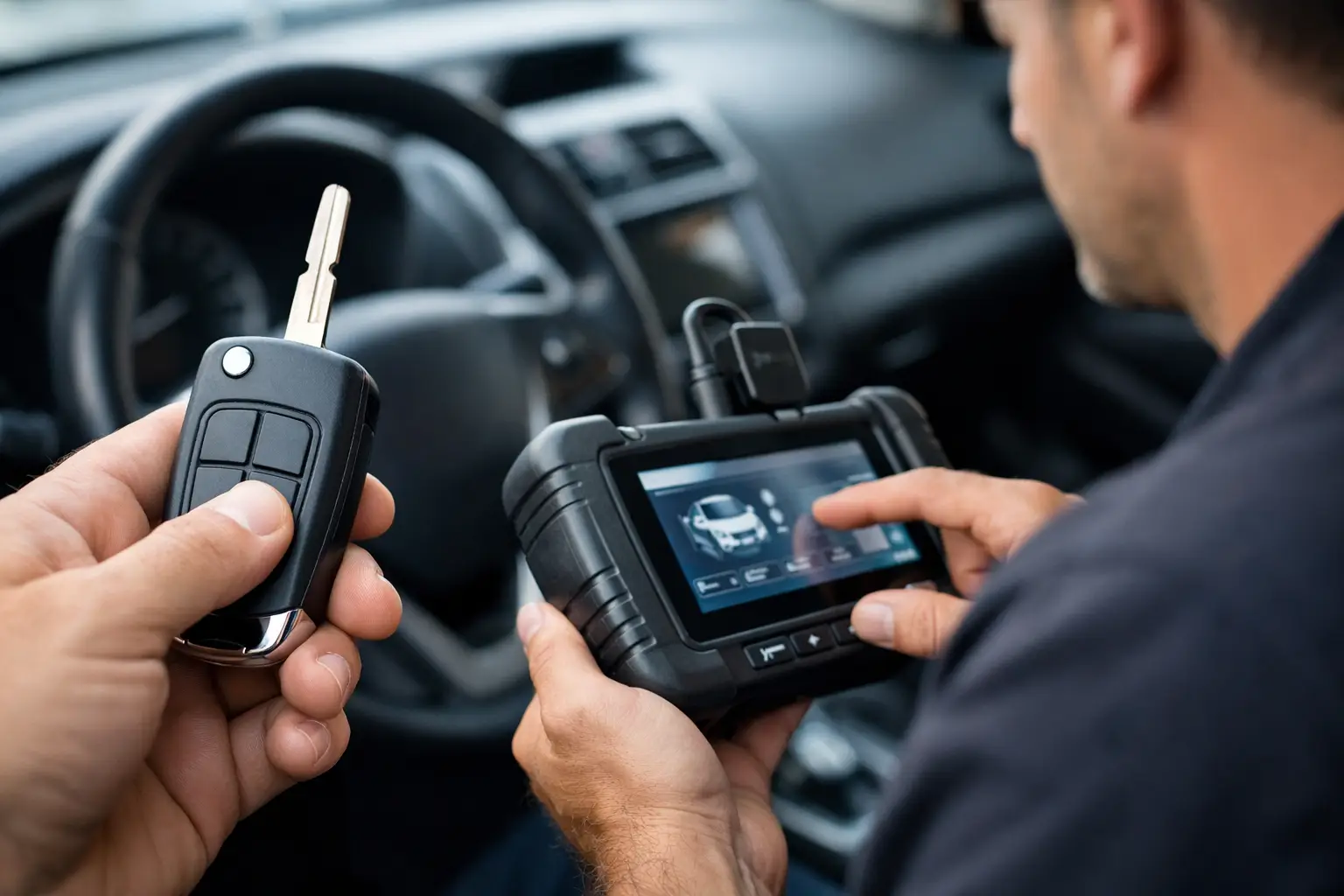
A newly cut car key can turn in the ignition and still leave you stranded. That is because the metal blade is only one part of many modern vehicle keys. If you are searching for how to program transponder key systems, the real question is whether your vehicle will recognize the electronic chip inside that key.
A transponder key must be matched to the vehicle’s immobilizer system before the engine will start. The right method depends on the make, model, year, available keys, and the type of replacement key you have. Some vehicles allow limited owner programming. Others require professional diagnostic equipment and verified access to manufacturer security data.
What a Transponder Key Does
A transponder key contains a small radio-frequency chip, usually housed in the plastic head of the key or inside a remote fob. When you insert the key or bring a proximity fob into the vehicle, an antenna near the ignition or start button reads the chip’s unique identification code.
The vehicle compares that code with its stored authorized keys. When the code matches, the immobilizer permits the engine to start. When it does not match, the engine may crank without starting, start briefly and shut off, or display a warning light on the dashboard.
This is why copying the metal grooves of an existing key is not enough for many vehicles. The key must be cut accurately and electronically programmed. Remote functions such as lock, unlock, trunk release, and panic may also need separate pairing, depending on the vehicle.
Before You Program a Transponder Key
Start by confirming that you have the correct key. Replacement keys are not universal. The chip type, blade profile, frequency, remote design, and transponder configuration must match what your vehicle supports. A key that looks nearly identical may still fail to communicate with the immobilizer.
Next, determine whether you have at least one working programmed key. This changes the process significantly. On some older vehicles, an existing recognized key allows an owner to add another key through an on-board procedure listed in the owner’s manual. Many newer vehicles do not offer that option, even when a working key is available.
The condition of the replacement key also matters. A used key may be locked to another vehicle, damaged internally, or incompatible with your car’s system. Aftermarket keys can work well when they are the correct type and programmed with proper equipment, but quality varies. A professional locksmith can identify the key technology before attempting programming.
Finally, make sure the key blade has been cut before programming begins. If the vehicle accepts the transponder but the blade does not operate the ignition, door, or emergency key slot correctly, the replacement is not complete.
How to Program a Transponder Key When Owner Programming Is Available
The only reliable DIY method is the exact procedure provided by your vehicle manufacturer for that specific model. Do not rely on a generic sequence found for a similar vehicle. Small differences in model year, trim, ignition style, and key system can change the steps entirely.
If your owner’s manual confirms that on-board programming is supported, follow it precisely. These procedures commonly require a working key, the new unprogrammed key, and a specific sequence of ignition cycles completed within a limited time. The vehicle may confirm success with a dashboard indicator, a chime, or a change in the security light.
Keep distractions to a minimum. Leaving a door open when the procedure requires it closed, waiting too long between steps, or using a key with the wrong chip can cause the process to fail. Repeated unsuccessful attempts are also a sign to stop and have the vehicle diagnosed instead of guessing.
For push-button-start vehicles, programming may involve placing the fob in a designated backup location. That location is not the same across every manufacturer. It may be in the center console, near the steering column, in a cup holder, or another specified area. Use the vehicle documentation rather than trial and error.
When Professional Transponder Key Programming Is Needed
Professional service is usually the right choice when all keys are lost, the vehicle uses a smart key or proximity fob, the security light remains on, or an attempted DIY procedure has failed. It is also necessary for many late-model vehicles that require a scan tool and authenticated programming access.
A qualified automotive locksmith begins by verifying ownership and identifying the vehicle’s key system. The technician can cut the correct key, connect approved diagnostic equipment, communicate with the vehicle’s immobilizer module, and add or replace authorized keys. If an old key was lost or stolen, it may be possible to remove it from the vehicle’s recognized-key memory at the same time.
This approach is more than a convenience. A key that starts the car intermittently, works only when held in a certain position, or triggers a security warning may point to a chip, antenna, ignition, battery, or module issue. Programming alone will not correct a mechanical or electrical fault. Proper diagnosis prevents replacing the wrong part.
For drivers in Rockville, Silver Spring, Bethesda, Gaithersburg, and nearby Montgomery County communities, a mobile locksmith can often complete the work where the vehicle is parked. That is especially helpful after a lost-key situation, a broken key, or a car lockout that leaves the vehicle unable to start.
Need a Transponder Key Cut or Programmed?
Multi Locksmith LLC provides mobile automotive locksmith service for transponder key cutting, programming, and diagnostics throughout Montgomery County, MD.
📞 Call 240-706-4799Common Reasons a Newly Programmed Key Will Not Start the Car
The most common issue is an incorrect or incompatible transponder chip. A key may fit the ignition and still have the wrong electronic profile. Another frequent problem is that the remote buttons were paired but the immobilizer chip was not, or the chip was programmed but the remote functions were not. These can be separate processes.
A weak battery in a proximity fob can also create inconsistent detection, although a traditional transponder chip usually does not rely on the fob battery to be read. Physical damage, water exposure, poor-quality replacement shells, and internal chip movement can all affect performance.
The vehicle itself may be the source of the problem. A failed immobilizer antenna, damaged ignition cylinder, wiring issue, or module fault can prevent a valid key from being recognized. If more than one known working key suddenly stops starting the vehicle, the issue is less likely to be the key alone.
Protect Your Vehicle’s Key Access
Treat programmed keys like part of the vehicle’s security system. Keep a working spare in a separate location, rather than leaving both keys in the vehicle or storing them together. If a key is lost in a place where someone could identify your vehicle, consider having the missing key removed from the car’s authorized memory.
Avoid handing your only working key to an unverified provider or using a replacement key of uncertain origin. Your vehicle’s key data controls who can start it, so accountability matters. A licensed and insured locksmith should verify ownership, explain the work being performed, and test every function before leaving.
Multi Locksmith LLC provides professional mobile automotive locksmith support for drivers who need a transponder key cut, programmed, or diagnosed without unnecessary delays. When your vehicle will not recognize a key, the most helpful next step is not another guess at a generic procedure. It is a clear diagnosis and the correct programming method for your specific vehicle.