📅 August 16, 2026📄 Multi Locksmith LLC📍 Montgomery County, MD
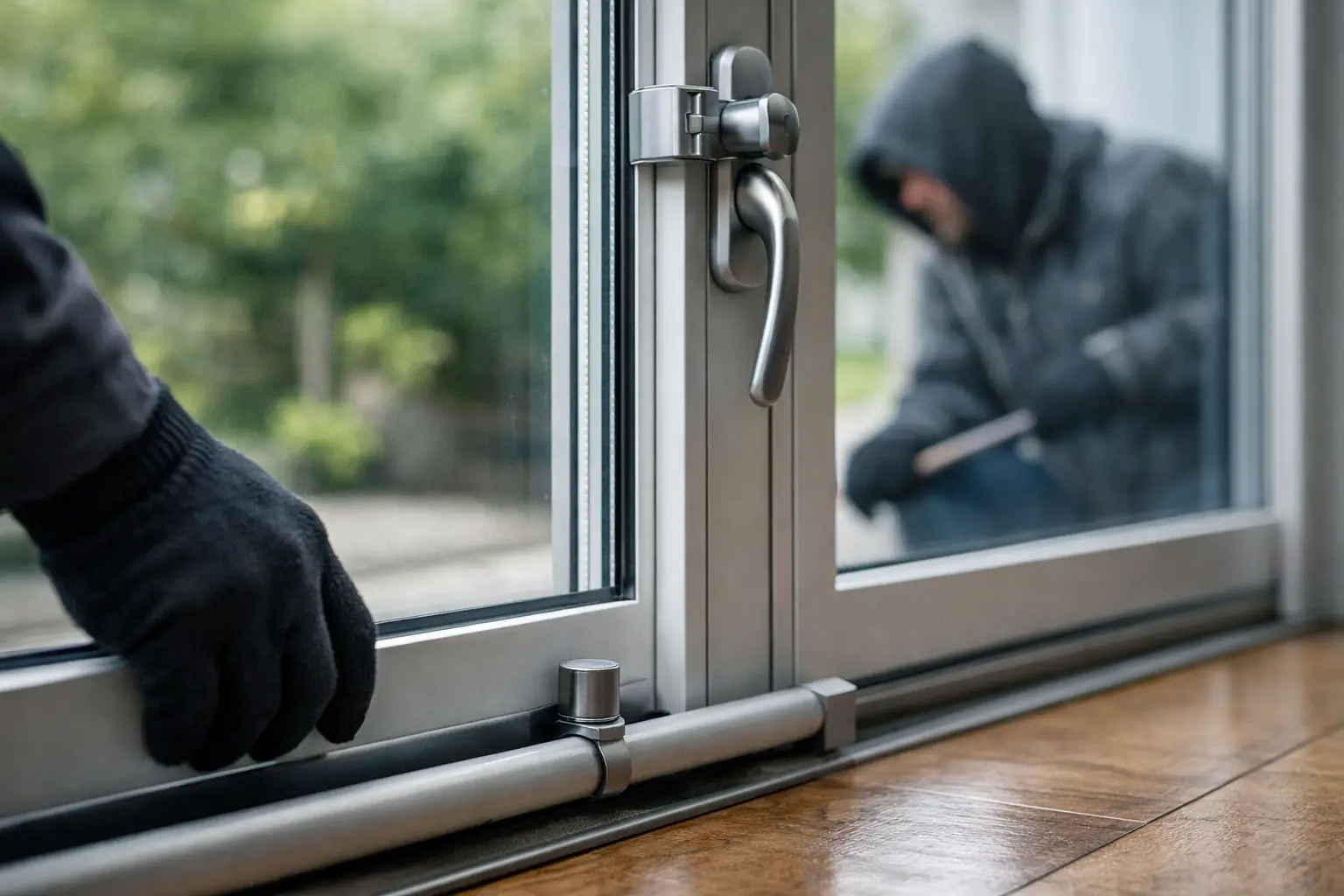
A sliding glass door can bring in welcome daylight and backyard access, but it should never be the weakest point in your home. Knowing how to secure sliding doors means looking beyond the small latch that came with the door. A complete approach addresses forced opening, lifted panels, vulnerable glass, worn hardware, and the habits that leave an otherwise secure door exposed.For homeowners and property managers, the right solution depends on the door’s age, frame material, location, and condition. A ground-level patio door facing a secluded yard deserves more protection than a second-floor door inside a controlled-access building. The goal is straightforward: make the door difficult to force, difficult to lift, and difficult to use unnoticed.
Start With the Door’s Existing Lock
Most sliding doors have a latch built into the handle or frame. That latch is useful for keeping the panel closed, but many factory-installed versions are not designed to provide strong resistance against force. If the latch feels loose, does not fully engage, or requires the door to be lifted before it will lock, it needs attention.Test the lock with the door closed. The latch should engage cleanly with the keeper on the frame, and the panel should not shift back and forth when you pull it. Misalignment is common on older doors because rollers wear down, frames settle, and tracks collect debris. Adjusting the rollers or strike alignment may restore the lock’s performance, but a damaged latch should be replaced rather than relied upon.A keyed sliding door lock can add control when a patio door is used frequently. It is especially helpful for rental properties, offices with exterior sliders, or homes where multiple people have had access over time. If keys are missing, tenants have moved out, or a contractor once had a key, rekeying or replacing the locking hardware helps restore control over who can enter.
How to Secure Sliding Doors With Secondary Locks
A secondary lock is often the most effective improvement because it does not depend on the factory latch alone. The right type should fit the door, allow safe exit when needed, and be installed securely into suitable frame material.A track bar, sometimes called a security bar, is a simple and dependable option. It rests in the bottom track behind the moving panel, physically preventing the door from sliding open. A properly sized bar should fit snugly without placing pressure on the glass or making the door difficult to remove in an emergency. For doors used as a regular exit, choose a solution that household members can remove quickly and practice using it.Pin locks are another strong option. They use a metal pin to connect the moving panel to the fixed panel or frame, stopping the door from sliding. These can be installed at the top, bottom, or both locations depending on the door design. Professional placement matters because drilling in the wrong area can interfere with rollers, weatherstripping, glass, or the door’s drainage system.For a more permanent upgrade, a surface-mounted lock or a purpose-built sliding door deadbolt may be appropriate. These options vary significantly by door construction. Vinyl, aluminum, wood, and composite frames each require a different installation method. A lock that is excellent on one door can perform poorly or damage another if it is not matched correctly.
Prevent the Panel From Being Lifted Out
Sliding panels do not only move sideways. On some doors, a panel can be lifted within the frame enough to clear its track. This risk is more likely when the upper clearance is excessive, rollers are worn, or the door was installed with poor alignment.Anti-lift devices reduce that clearance. They may include blocks, brackets, or screws placed in the upper track so the panel cannot rise far enough to come out of position. This is a small detail with a major security benefit, particularly on older sliding doors.Do not assume a security bar alone solves the lifting issue. A bar can prevent the panel from opening along the track, while anti-lift protection helps keep the panel seated in the frame. Used together with a reliable primary lock, these measures create multiple layers of protection.
Keep Tracks, Rollers, and Frames in Working Order
Security hardware only works as intended when the door operates correctly. Dirt, leaves, pet hair, and hardened residue in the lower track can make a door drag or sit unevenly. Homeowners sometimes force the panel closed, then accept a latch that barely catches. That creates a security problem as well as a repair issue.Clean the track regularly and inspect it for bends, cracks, and loose fasteners. If the panel is difficult to slide, sags on one side, rattles in the frame, or will not line up with the lock, have the rollers and frame assessed. Replacing worn rollers or repairing a misaligned door can make a secondary lock fit and function much better.
Strengthen the Glass and Improve Visibility
The glass portion of a sliding door deserves the same attention as its locking hardware. Standard glass can be vulnerable to impact, and a broken pane may allow someone to reach the lock or create an opening. Security window film can help hold broken glass together after impact. It does not make glass unbreakable, but it can delay entry and reduce scattered shards.Laminated glass or impact-rated door panels offer more protection where replacement is already planned. These upgrades are often most worthwhile for ground-level doors, doors near concealed side yards, and properties that have experienced repeated security concerns.Visibility also matters. Keep shrubs and large planters trimmed away from the door so they do not create a hidden work area. Motion-activated exterior lighting can make nighttime activity more noticeable. A camera or alarm contact can provide an alert if the door opens unexpectedly, but electronic monitoring works best alongside strong physical security, not instead of it.
Need a Sliding Door Lock Upgrade?
Multi Locksmith LLC provides mobile locksmith support throughout Montgomery County for sliding door lock repairs, replacement hardware, rekeying, and practical security upgrades from licensed and insured technicians.📞 Call 240-706-4799
Do Not Create a Lockout Risk
Adding security should not leave your family unable to exit quickly. A sliding door may be part of a required exit route, especially in a bedroom, finished basement, or occupied commercial space. Any bar, pin, or auxiliary lock must be easy for authorized occupants to release from inside without searching for a key or tool.Talk with everyone who uses the property about the new hardware. Children old enough to use the door should understand how it operates, while young children should not be able to defeat it easily. For businesses and rental properties, the decision may involve building requirements, fire codes, accessibility needs, and who is authorized to control keys. These details are why a one-size-fits-all product is not always the right answer.
When a Professional Locksmith Is the Better Choice
Call a professional when the door lock is broken, the panel will not align, the frame is damaged, or you are unsure which secondary lock fits the door. A qualified locksmith can inspect the entire assembly, identify whether the weakness is the lock, track, rollers, frame, or glass, and recommend a fix that supports both security and daily use.For Montgomery County homes, offices, and managed properties, Multi Locksmith LLC provides mobile locksmith support for sliding door lock repairs, replacement hardware, rekeying, and practical security upgrades. Working with a licensed and insured professional helps ensure the hardware is installed accurately and that the door remains usable for the people who depend on it.A sliding door should feel like an easy way to enjoy your property, not a source of uncertainty after dark. Start with the latch, add a properly fitted secondary barrier, correct alignment problems, and make sure every authorized person can exit safely. Those steps turn a common entry point into a far more dependable part of your security plan.

 A sliding glass door can bring in welcome daylight and backyard access, but it should never be the weakest point in your home. Knowing how to secure sliding doors means looking beyond the small latch that came with the door. A complete approach addresses forced opening, lifted panels, vulnerable glass, worn hardware, and the habits that leave an otherwise secure door exposed.For homeowners and property managers, the right solution depends on the door’s age, frame material, location, and condition. A ground-level patio door facing a secluded yard deserves more protection than a second-floor door inside a controlled-access building. The goal is straightforward: make the door difficult to force, difficult to lift, and difficult to use unnoticed.