
Car Ignition Problems and What to Do Next
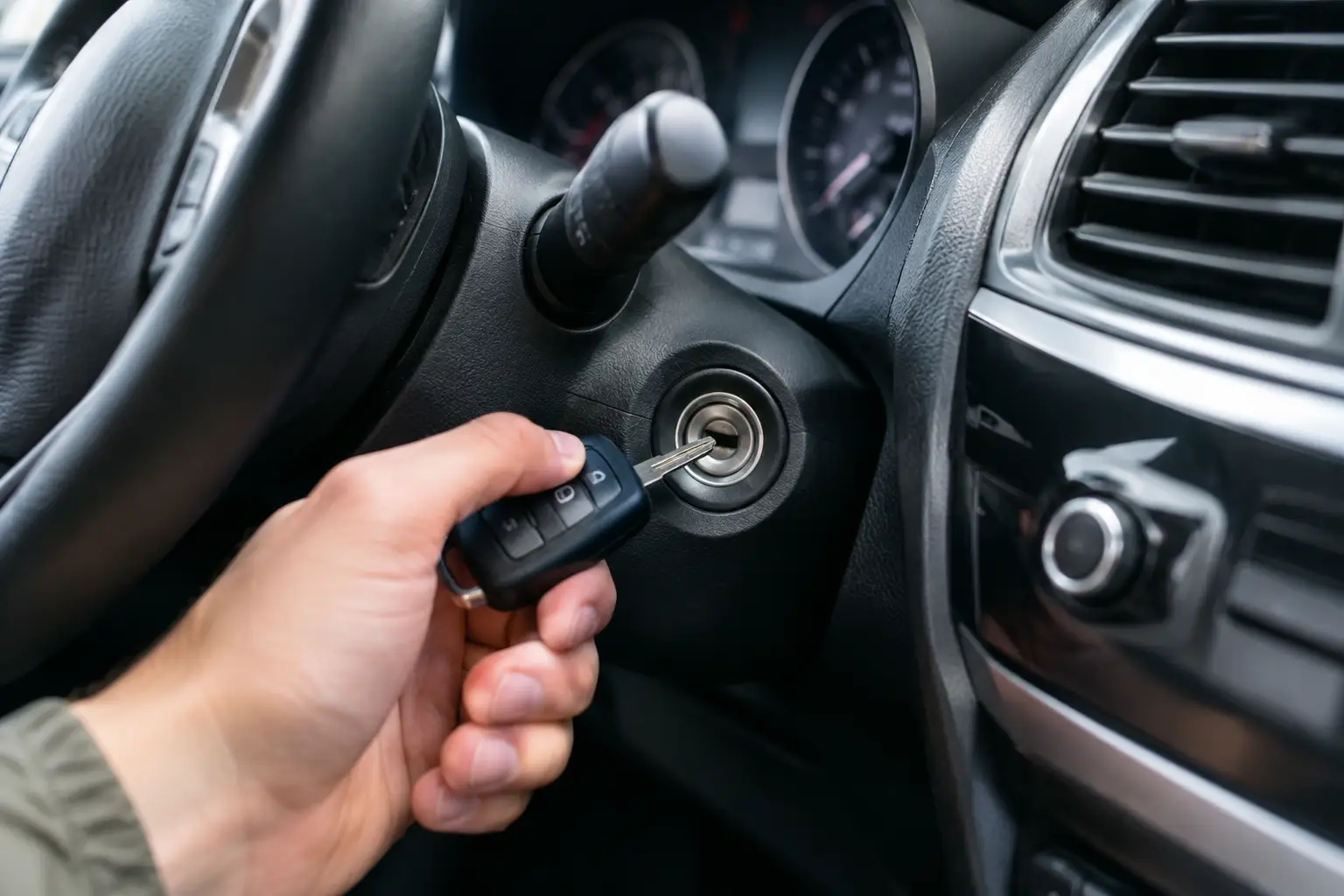
A key that will not turn can stop an ordinary trip before it begins. You may be parked at work, outside your home, or at a store with the steering wheel locked and no clear reason why. Car ignition problems are frustrating because several components can produce nearly identical symptoms – but forcing the wrong part can turn a repairable issue into a more involved one.
The practical first step is to notice exactly what happens. Does the key fail to enter fully? Does it go in but refuse to rotate? Does it turn, yet the dashboard stays dark or the engine does not crank? Those details help separate a mechanical ignition issue from a key, battery, starter, or electronic authorization problem.
Common Car Ignition Problems
An ignition system is more than the slot where you insert the key. On many vehicles, it includes the key blade, lock cylinder, ignition switch, steering-column components, and an immobilizer that recognizes the chip in the key. Push-button vehicles use a different layout, but they can still have key-recognition and ignition-control failures.
A worn key or damaged key blade
Keys wear down gradually. Each time a traditional metal key enters the ignition, its cuts make contact with small internal pins. Over years of use, the key can lose the precise shape needed to lift those pins into position. A worn key may work intermittently at first, then require jiggling, repeated attempts, or a particular angle before it turns.
Damage can also happen suddenly. A bent key, a cracked plastic head, or a blade that has been copied from an already worn key may not operate the ignition correctly. If you have a spare original key, testing it gently can provide a useful clue. When the spare works and the daily-use key does not, the key itself is often the source of the trouble.
A binding steering-wheel lock
Many drivers mistake a locked steering wheel for a failed ignition. If the front wheels were turned when the vehicle was shut off, pressure can load the steering lock. The key may then feel stuck in the OFF position or resist turning to ACC or START.
Do not twist the key aggressively. Instead, apply steady light pressure to turn the key while moving the steering wheel slightly left and right. Usually, the wheel will move a small amount in one direction. That movement can release the pressure and allow the key to turn normally.
A worn or failing ignition cylinder
The ignition cylinder contains precisely positioned components that match the key. Dirt, internal wear, broken pins, or a damaged cylinder housing can keep the key from turning even when the key appears to be in good condition. You may notice the key becoming harder to turn over several weeks, needing to be wiggled, or feeling loose once it is inserted.
A failing cylinder deserves prompt attention. Continuing to force it can break the key inside the ignition or damage surrounding steering-column parts. A professional automotive locksmith can inspect the cylinder, determine whether it can be repaired or needs replacement, and address the keying required for your vehicle.
An ignition switch or electrical fault
If the key turns normally but the instrument panel does not illuminate, accessories fail to power on, or the engine does not respond, the mechanical cylinder may not be the issue. The ignition switch behind the cylinder sends electrical signals to vehicle systems. A faulty switch can produce intermittent no-start conditions, accessory failures, or a vehicle that stalls after starting.
Electrical symptoms can overlap with a weak battery, corroded battery connections, a starter problem, or a blown fuse. This is where diagnosis matters. Replacing an ignition component without confirming the cause may not solve the no-start condition.
Transponder or immobilizer recognition issues
Most modern vehicle keys contain a transponder chip. The vehicle must recognize that chip before it will allow the engine to start. A key can turn the ignition and crank the engine, yet the vehicle may not start or may start briefly and shut off if the immobilizer does not recognize it.
A damaged chip, a key that was not properly programmed, or a problem with the vehicle’s antenna ring can all interfere with authorization. These issues are especially common after an aftermarket key has been cut, after a key has been exposed to damage, or when a driver is using an old spare that was never programmed.
What to Do When the Key Will Not Turn
Start by checking the simple possibilities without using excessive force. Confirm that you are using the correct key and that it is fully inserted. If the steering wheel is locked, use the gentle steering-wheel method described above. If you have a spare key, try it once carefully.
Avoid using pliers, heavy lubricants, improvised tools, or repeated hard twisting. Pliers can snap the key or distort the key head. Some lubricants collect debris inside the cylinder and may make an intermittent issue worse over time. A broken key in the ignition requires extraction before the original failure can even be addressed.
If the key is stuck in the ignition, do not pull with sudden force. Make sure the vehicle is fully in Park for an automatic transmission, or in the appropriate position for a manual transmission, and check that the steering wheel is not binding. If it still will not release, a locksmith can assess the ignition and related interlock components without unnecessary damage.
When the Vehicle Has Push-Button Start
Push-button start systems create different symptoms. You may see a “key not detected” message, a warning light, or no response when pressing the start button. First, place the key fob in the vehicle and try the manufacturer’s emergency recognition location, which is often near the start button, steering column, or center console. The exact location depends on the vehicle.
A depleted fob battery is a common cause, but it is not the only possibility. The key fob itself may be damaged, the vehicle battery may be weak, or the vehicle may have a receiver or ignition-control issue. A properly programmed replacement key can resolve some situations, while others require vehicle-specific electrical diagnosis.
Having Car Ignition Trouble?
Multi Locksmith LLC provides licensed, insured, and background-checked automotive locksmith service throughout Montgomery County.
📞 Call 240-706-4799Why Professional Ignition Service Is Different
Ignition work requires more than cutting a metal key. Modern vehicles combine mechanical lock components with electronics and anti-theft systems. The right repair depends on the vehicle’s make, model, year, key type, and the symptoms it presents.
A qualified automotive locksmith can identify whether the problem is a worn key, damaged ignition cylinder, broken key, transponder issue, or another component that needs attention. For many ignition and key concerns, mobile service means the work can be performed where the vehicle is parked rather than requiring you to arrange transportation first.
For drivers in Rockville and throughout Montgomery County, a licensed and insured locksmith provides accountability during a stressful vehicle problem. Ask whether the technician is equipped for your vehicle’s key technology and whether the diagnosis addresses the reason the failure occurred, not just the visible symptom.
Can You Prevent Ignition Trouble?
You cannot prevent every vehicle failure, but a few habits can reduce unnecessary wear. Keep a lightly loaded key ring, since heavy keychains can place ongoing stress on older ignition cylinders. Replace a damaged or noticeably worn key before it stops working entirely. If your key begins sticking, schedule an inspection instead of waiting for it to fail during a rushed morning or late-night stop.
Keep a working spare key in a separate location as well. It can help confirm whether the daily-use key is worn, and it gives you a backup if the primary key is lost or damaged. For transponder keys and fobs, make sure every spare is programmed and tested before an emergency arises.
A vehicle that gives you early warning signs is asking for attention. Treat a sticky key, an intermittent start, or an unfamiliar immobilizer warning as a reason to get a professional diagnosis while you still have options and control over the situation.