
What Causes Ignition Failure in Your Car?
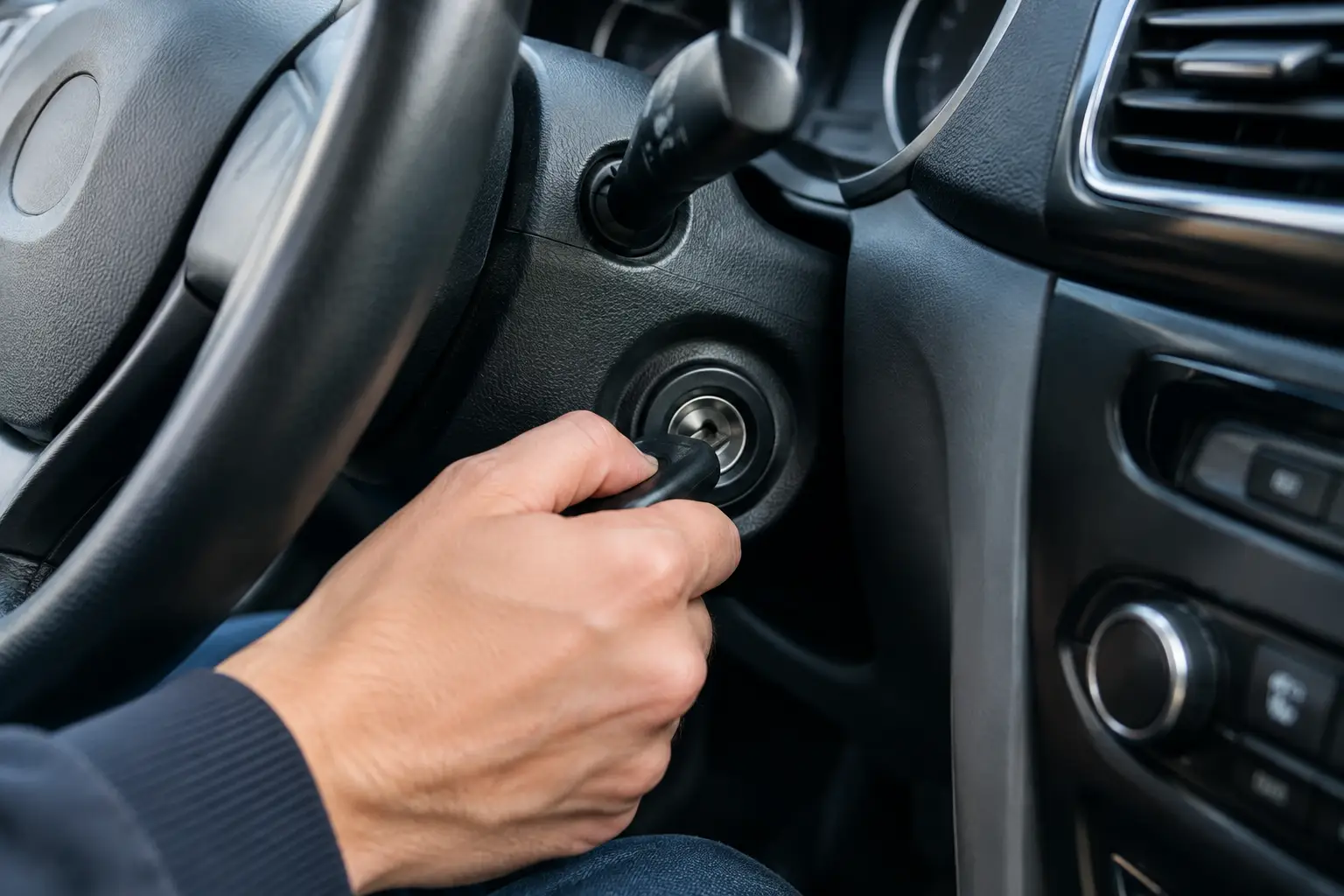
A key that suddenly will not turn can bring an ordinary trip to a complete stop. Whether you are parked at home, outside work, or stranded after an errand, the immediate question is usually: what causes ignition failure? The answer depends on whether the key is stuck, turns without starting the vehicle, or the car starts and then immediately shuts down. Those symptoms may look similar, but they point to different parts of the ignition system.
For drivers, the most useful first step is knowing when a simple check may help and when forcing the issue could turn a repairable problem into a more involved one. A qualified automotive locksmith can diagnose many ignition and key-related failures on-site, including mechanical cylinder problems and electronic key recognition issues.
What causes ignition failure most often?
An ignition system relies on several components working together: the physical key, the ignition cylinder or switch, the steering-column lock, the vehicle battery and wiring, and, on many newer vehicles, an immobilizer that verifies the key’s transponder chip. Failure in any one of these areas can prevent the vehicle from starting.
The most common causes are worn keys, damaged ignition cylinders, steering-wheel pressure, failed transponder recognition, and electrical faults. The exact fix depends on the vehicle and the symptom. A key that will not rotate calls for a different diagnosis than a key that turns normally but does not crank the engine.
A worn, bent, or damaged key
Keys wear down gradually. The cuts along the blade can lose their precise shape after years of use, especially when the key carries a heavy ring or is repeatedly inserted into a worn ignition. Eventually, the pins inside the cylinder may no longer align correctly with the key, leaving the key difficult to turn or completely stuck.
A key can also be bent, cracked, or damaged around its plastic head. On chip keys, that head may contain the transponder needed for the vehicle to recognize the key. If the blade is worn or the chip is damaged, the car may respond differently depending on the make and model: it may not turn, may crank without starting, or may show a security indicator on the dashboard.
Do not force a worn key into the ignition. It can break inside the cylinder, creating two problems instead of one. If you have a spare key, try it gently. If the spare works, the original key is likely the issue and should be replaced or programmed as needed.
A failing ignition cylinder
The ignition cylinder is the mechanical component where the key is inserted. Inside are small pins and springs that must line up precisely before the key can rotate. Normal wear, dirt, internal damage, or an attempted theft can cause those parts to bind.
Signs of a cylinder issue include a key that only turns after repeated attempts, a key that works in one position but not another, or a key that becomes trapped in the ignition. Some drivers notice the issue intermittently for weeks before the cylinder fails completely. That is the best time to arrange service rather than waiting for a full no-start situation.
A professional locksmith can determine whether the cylinder can be repaired, rekeyed, or needs replacement. This matters because replacing an ignition without matching it to the existing key can leave a driver using separate keys for the door and ignition.
Steering-wheel lock pressure
Sometimes the ignition is not damaged at all. If the steering wheel was turned sharply when the vehicle was parked, pressure can bind the steering-column lock. The key may feel stuck and refuse to turn even though the key and cylinder are in good condition.
With the vehicle in park, apply steady pressure to the steering wheel in the direction where it has a small amount of movement while gently turning the key. Do not jerk the wheel or twist the key aggressively. If it releases, the problem was likely steering-lock pressure. If it does not, stop rather than risking key breakage or internal damage.
Transponder or immobilizer trouble
Many vehicles use a transponder key, key fob, or push-button system as part of their theft-deterrent design. The vehicle must recognize the electronic signal from the authorized key before it will allow the engine to start. A mechanical key can turn the ignition and still fail to start the car when its chip is missing, damaged, incorrectly programmed, or no longer recognized.
This type of problem is more likely when the engine cranks but will not start, or when it starts briefly and shuts off. A security light may also remain illuminated or flash. The cause may be the key itself, a weak fob battery on applicable systems, damaged wiring near the ignition, or an issue within the vehicle’s immobilizer system.
A locksmith equipped for automotive key programming can test and program compatible transponder keys without treating every no-start condition as an ignition replacement. That distinction can prevent unnecessary work and help restore access with the correct key solution.
Ignition switch and electrical problems
In many vehicles, the ignition cylinder and ignition switch are related but separate parts. The cylinder is the part the key turns. The switch is the electrical component that sends power to the vehicle’s accessory, ignition, and starting systems. If the key turns normally but the dashboard does not illuminate, accessories do not respond, or the starter does nothing, the switch or related electrical circuit may be at fault.
Battery condition, corroded connections, starter failure, blown fuses, and wiring damage can produce symptoms that resemble ignition failure. This is why diagnosis matters. Replacing a key or cylinder will not correct an engine starting issue caused by a depleted battery or starter problem.
Pay attention to the sequence of events. If there is no response from lights or accessories, the concern may be electrical. If the key will not enter, turn, or come out, the problem is more likely mechanical. If the key turns and the engine cranks but will not run, transponder recognition or an engine-related fault becomes more likely.
Get Mobile Ignition Diagnosis and Repair
Multi Locksmith LLC provides licensed, insured, and background-checked mobile technicians for ignition cylinder repair, key replacement, and transponder service throughout Montgomery County.
📞 Call 240-706-4799What to do when your ignition fails
Start with a few careful checks. Confirm the vehicle is in park or neutral and that the parking brake is set. If the steering wheel is locked, use gentle, steady pressure as described above. Try a spare key if one is available, but do not use tools, lubricants not designed for locks, or excessive force.
Avoid repeatedly turning the key back and forth when it binds. Avoid striking the ignition housing or attempting to remove steering-column panels yourself. Modern vehicles often place delicate mechanical and electronic components close together, and improvised methods can cause avoidable damage.
If the key is stuck, broken, will not turn, or the vehicle does not recognize it, an automotive locksmith is often the right first call. For a vehicle that turns over but will not start, a locksmith can assess the key and immobilizer side of the issue and help identify when a mechanic or towing provider is the appropriate next step.
When to call a professional automotive locksmith
Professional help is especially warranted when the key is trapped in the ignition, the key blade has snapped, the ignition turns inconsistently, or a replacement transponder key needs programming. These are not problems to postpone. An ignition that works only occasionally can fail without warning, leaving you unable to start or secure your vehicle where it is parked.
For drivers in Montgomery County, Multi Locksmith LLC provides mobile automotive locksmith support for ignition repair concerns, car key replacement, transponder programming, and vehicle lockout situations. Licensed, insured, and background-checked service matters when someone is working on the lock and starting system of your vehicle.
A failing ignition is frustrating, but the symptoms often provide useful clues. Treat a sticking key or intermittent turn as an early warning, protect your spare key, and get a professional diagnosis before a minor ignition issue becomes a roadside emergency.