
Best Locks for Sliding Doors That Actually Help
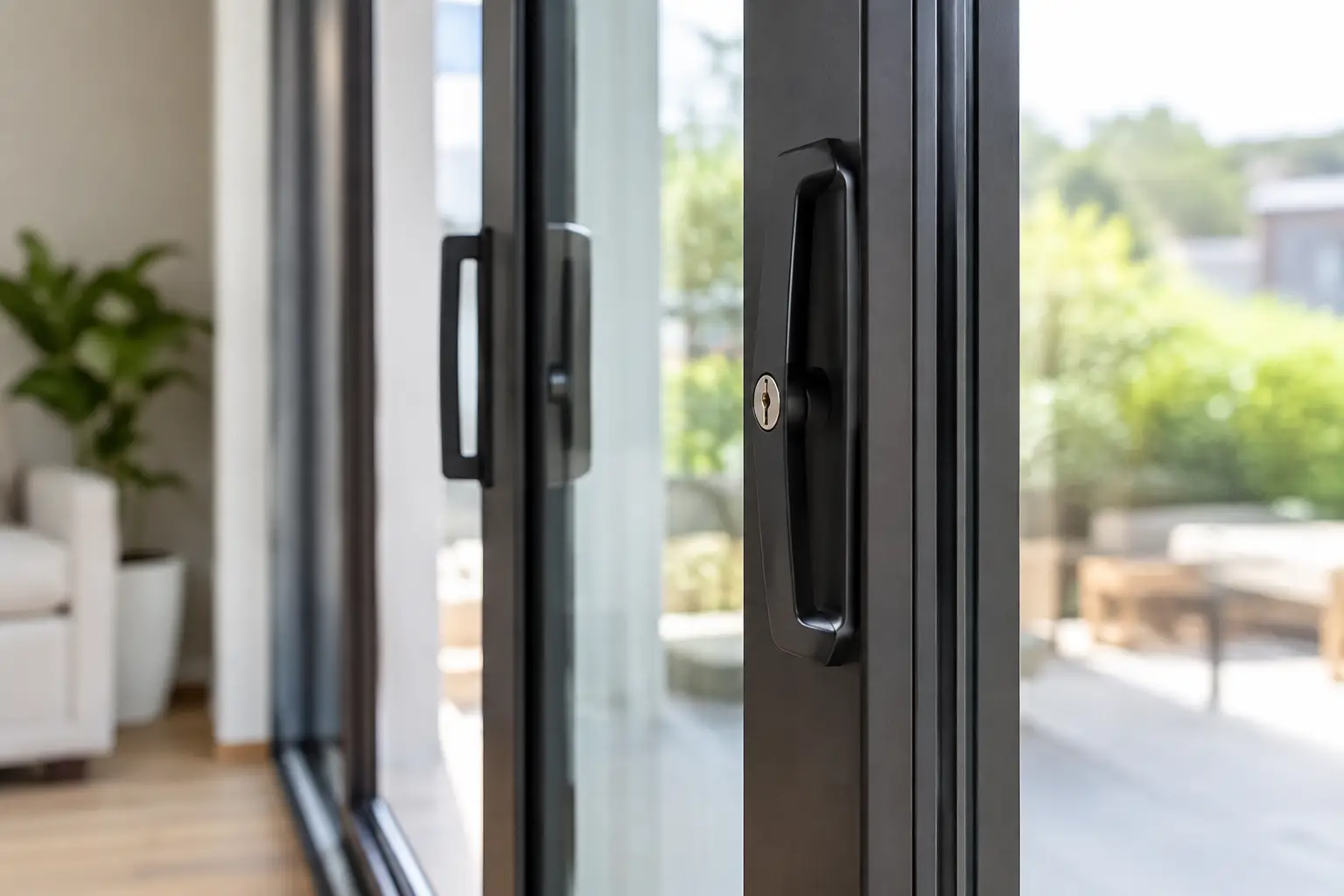
A sliding glass door can look fully secured while relying on a small factory latch that was designed mainly to keep the panel closed. That gap matters. The best locks for sliding doors add resistance where these doors are commonly vulnerable: at the meeting rail, along the bottom track, and at the top of the frame where a panel may be lifted.
For homeowners, property managers, and business operators, the right choice depends on the door’s construction, how the space is used, and whether people need regular access from both sides. A lock that is effective on a rear patio door may be a poor fit for an interior closet door or a commercial aluminum storefront. The goal is not simply to add hardware. It is to create a door that closes, locks, and operates correctly without compromising everyday use or emergency exit requirements.
Why standard sliding-door latches need backup
Most sliding doors have a hook-style latch or mortise lock built into the handle. When the door and frame are aligned, this latch can provide useful basic protection. The problem is that wear, loose rollers, a bent strike plate, or slight frame movement can reduce how deeply it engages.
Sliding panels also face a different kind of force than hinged doors. Instead of being pushed against a deadbolt, the panel may be pried sideways, forced apart at the meeting point, or lifted within its track. A complete solution addresses more than one of those risks.
Before adding any secondary lock, inspect the existing hardware. If the latch does not catch firmly, the handle moves loosely, or the panel drags across the track, repair may be the first step. A new lock cannot make up for a door that is badly out of alignment.
The best locks for sliding doors by application
There is no single best choice for every sliding door. The following options are often the most practical, provided they are installed on a sound door and frame.
Keyed secondary locks
A keyed secondary lock adds a separate locking point beyond the standard handle latch. Depending on the door design, it may secure the moving panel to the fixed panel or frame. This is a strong option for exterior patio doors because it can provide controlled entry from outside while adding protection at the door’s weak meeting point.
Choose hardware intended for the door material, whether vinyl, wood, or aluminum. The mounting area must be reinforced enough to hold fasteners under force. On thin metal frames, professional installation can help prevent stripped screws, misalignment, and damage to the door system.
Foot bolts and track bolts
A foot bolt mounts near the bottom of the sliding panel and drops into a receiver in the track or threshold. It is simple to use from inside and can be highly effective when installed accurately. Because the bolt physically blocks the panel’s travel, it provides protection even if the original latch is compromised.
Foot bolts work especially well on patio doors that are usually secured from the interior at night or when the property is unoccupied. Their trade-off is access. They do not provide keyed entry from outside, and they should not be the only locking method on a door that people may need to use quickly for exit.
Pin locks
A pin lock uses a hardened pin that passes through aligned holes in the sliding and fixed sections of the door. Once engaged, it prevents the panel from moving. These locks can be a good fit for certain aluminum-framed sliding doors and are often installed higher on the panel, away from the bottom track.
Correct positioning is critical. A poorly placed pin can interfere with the door’s movement, weaken the frame, or fail to line up as the seasons change. This option should be selected only after checking the door manufacturer’s construction and the available clearance.
Security bars
A security bar sits in the lower track or between the sliding panel and the opposite jamb, preventing the door from opening inward along its path. It is fast to deploy and does not usually require drilling. For renters or people seeking an added layer without altering the door, it can be a practical choice.
The limitation is clear: a bar must be removed before the door can open. It is best used as a supplemental measure when the door is not being used, not as a substitute for a functioning primary lock. Avoid makeshift sticks or loose materials that can shift, splinter, or create an obstruction.
Do not overlook anti-lift protection
A sliding panel that can be raised high enough in its track may be removed from the frame, even when the latch is locked. Anti-lift blocks or properly adjusted roller mechanisms reduce this possibility by limiting vertical movement.
This is often one of the most overlooked parts of sliding-door security. A locksmith or qualified door professional can check whether the panel has excessive play, whether the rollers are adjusted evenly, and whether the top and bottom tracks show damage. On older patio doors, correcting the alignment may make every lock work better.
Match the lock to the door and the people using it
Exterior patio doors usually need the strongest layered approach: a properly operating factory latch, a secondary lock or foot bolt, and anti-lift protection. If the door is a regular entry point, a keyed secondary lock may be more convenient than a device that can only be operated from indoors.
Interior sliding closet doors have different needs. They may need privacy hardware or a simple latch, but they rarely require the same level of forced-entry resistance as an exterior opening. Installing heavy hardware on a lightweight hollow-core or bypass door can cause damage without delivering meaningful value.
Commercial sliding doors require an even closer review. A retail or office entry may need hardware compatible with building access procedures, employee access, and local code requirements. Do not add a lock that could interfere with required exit operation. In these settings, the lock must protect the property while still allowing occupants to leave without delay.
Get a Professional Sliding Door Lock Installation
Multi Locksmith LLC provides licensed, insured, and background-checked technicians for sliding door lock selection, installation, and security upgrades throughout Montgomery County.
📞 Call 240-706-4799Installation details that determine whether a lock works
The quality of the lock matters, but installation decides whether it performs when force is applied. The strike or receiver must be positioned so the bolt or hook engages fully. Fasteners should anchor into solid material rather than only a thin decorative cover. The door should also slide smoothly enough that users can lock it consistently without forcing the hardware.
Check the door with the lock engaged. Try moving the panel laterally, lifting it gently, and applying moderate pressure at the meeting rail. There should be minimal movement, and the lock should release without sticking. If the lock binds, do not keep forcing it. Binding often signals an alignment problem that will worsen over time.
Glass condition also deserves attention. A strong lock cannot compensate for damaged glass, loose glazing, or an insecure fixed panel. The entire opening needs to be assessed as one system.
When a professional locksmith is the right call
A professional assessment is especially worthwhile when a sliding door will not latch, has been forced before, has visible frame damage, or serves as a primary entrance. Property managers may also benefit from standardizing sliding-door hardware across units so residents have consistent operation and maintenance procedures.
Multi Locksmith LLC provides mobile locksmith support for residential and commercial property needs across Montgomery County, including sliding-door lock repair, replacement, and security upgrades. A licensed and insured technician can evaluate the existing door hardware, recommend compatible options, and install the selected lock on-site.
A sliding door should never leave you wondering whether a closed panel is truly secured. Start with a latch that works, add the right secondary protection for the door’s purpose, and address alignment before a small hardware issue becomes a security concern.