
Home Break-In Lock Upgrade After a Burglary
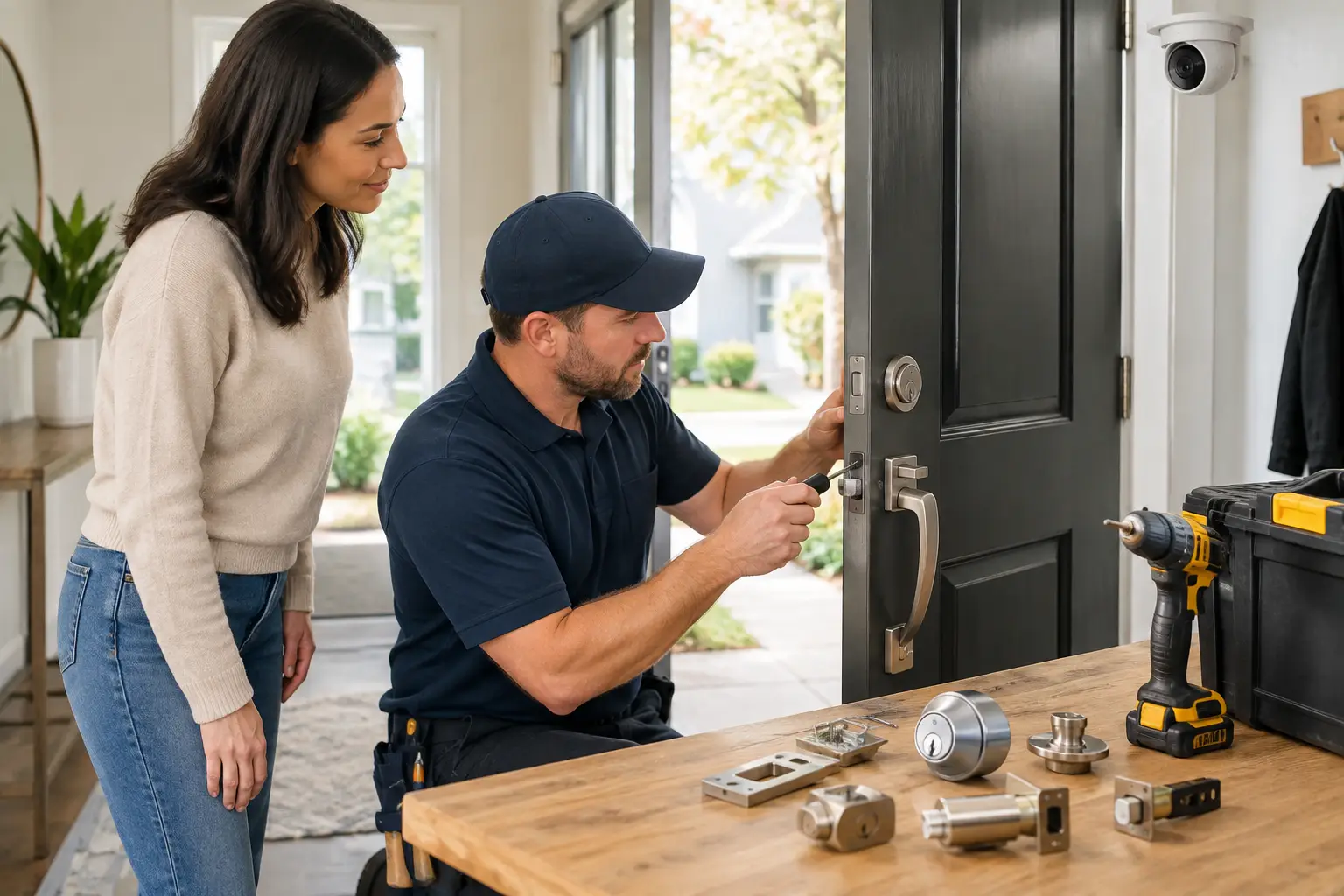
The hours after someone enters your home without permission can feel unsettling, even after the immediate emergency has passed. A home break-in lock upgrade is not just about replacing a damaged lock. It is an opportunity to identify how entry was gained, correct weak points, and restore confidence in the security of every exterior door.
If there is any chance the intruder still has a key, knows an access code, or caused damage that prevents a door from closing correctly, do not wait. Secure the property, document damage for the appropriate authorities and insurance process, then have a licensed locksmith assess the entry points.
Start With the Door That Was Compromised
The lock may be the visible damage, but it is not always the entire problem. A forced entry can damage the deadbolt, latch, strike plate, door frame, hinges, or the alignment between the door and jamb. Replacing only the cylinder when the frame has split or the bolt no longer enters the strike properly can leave the same door vulnerable.
A professional inspection should determine whether the entry was forced, whether a key may have been used, or whether hardware failed from wear. Those details shape the right repair. For example, a kicked-in door often needs reinforcement around the frame and strike area, while a missing key calls for rekeying or replacing the lock so old keys no longer work.
Do not overlook secondary exterior doors. Garage-to-home doors, rear doors, basement entries, sliding doors, and doors from a shared hallway can receive less attention than the front entrance, yet they may offer easier access. A complete assessment considers every route into the living space.
Rekeying or Replacing: Choose Based on the Risk
Rekeying changes the internal pin configuration of a compatible lock so the previous key no longer operates it. It is a practical choice when the lock body is in good condition, there is no evidence it was bypassed or damaged, and the main concern is that keys may be unaccounted for.
Lock replacement is often the better decision when hardware is worn, damaged, outdated, or unable to support stronger door reinforcement. It may also be appropriate when several prior occupants, contractors, caregivers, or tenants have had access over time and key control is unclear.
The difference matters because rekeying addresses key access, while replacement can address both key access and physical strength. A qualified locksmith can explain which option fits the condition of the door rather than recommending a one-size-fits-all fix.
What a Home Break-In Lock Upgrade Should Address
A meaningful home break-in lock upgrade focuses on the complete door assembly, not a single piece of hardware. The goal is to make forced entry harder, ensure authorized access is controlled, and eliminate defects that can compromise an otherwise strong lock.
Deadbolts and strike plates work together
A quality deadbolt is only as dependable as the strike plate and screws holding it to the frame. Short screws that anchor only into trim can fail under force. Reinforced strike hardware, secured into the structural framing with properly selected screws, improves resistance at a common impact point.
Door alignment is equally important. If the deadbolt drags, only partially extends, or requires lifting the door to lock, the problem may be warped materials, worn hinges, or a shifted frame. Forcing a poorly aligned lock can cause premature failure and create a false sense that the door is fully secured.
The door and frame need attention too
A solid lock cannot compensate for a damaged door edge or cracked jamb. Depending on the condition, repairs may include reinforcing the frame, replacing damaged trim, correcting alignment, or installing hardware designed to protect vulnerable areas around the lock.
Hinges deserve attention when they are exposed on the outside of an outward-swinging door. Proper hinge security helps prevent a door from being removed after hinge pins are attacked. This is a situational upgrade, but it is worth discussing during an on-site inspection.
Smart locks require thoughtful setup
Smart locks can improve control after a break-in because access codes can be changed promptly and temporary credentials can be removed without collecting physical keys. They are useful for homeowners who need to manage access for family members, cleaners, dog walkers, or short-term guests.
However, a smart lock should not be selected for convenience alone. It must fit the door correctly, maintain dependable mechanical operation, and be installed on a door with sound alignment and hardware. Homeowners should also use unique account credentials, remove former users, and keep a reliable backup method for entry if power or connectivity is interrupted.
Key Control Is Part of Physical Security
After a burglary, homeowners often focus on the damaged lock and forget the broader question: who could still have access? Former residents, lost key rings, unreturned copies, and hidden spare keys can all create uncertainty.
Start fresh with a controlled key plan. Limit copies to people who genuinely need them, avoid leaving keys in predictable hiding places, and label spare keys in a way that does not identify the property. If your home has multiple exterior doors, consider whether one keyway for all appropriate doors would make daily use easier without sacrificing control.
For households with frequent service visitors, a keypad or managed access solution may reduce the need to distribute physical keys. The best approach depends on the household, the door type, and how often access needs change.
Do Not Rush the Repair With Unverified Help
A break-in creates understandable urgency, and that urgency can lead homeowners to accept the first person who arrives. Security work should be completed by a verified professional who can identify themselves, explain the recommended work, and perform the repair with appropriate tools and hardware.
Look for a locksmith who is licensed and insured, provides clear communication, and can evaluate more than just the visible lock. In Montgomery County, homeowners who need responsive mobile assistance can rely on Multi Locksmith LLC for professional residential lock repair, rekeying, deadbolt replacement, and smart lock installation.
A professional visit should leave you with working locks, doors that close and latch correctly, and a clear understanding of what was changed. If a technician cannot explain why an upgrade is needed or ignores obvious frame damage, seek another assessment.
Need Your Locks Upgraded After a Break-In?
Multi Locksmith LLC provides licensed, insured, and background-checked locksmith service throughout Montgomery County.
📞 Call 240-706-4799Steps to Take Before the Locksmith Arrives
If an exterior door cannot be secured, keep people away from the damaged area and avoid repeatedly operating a bent or broken lock. Take photos of the door, frame, lock, and surrounding damage before repairs begin if documentation may be needed.
Check that all other doors and accessible windows are closed and locked. If a key ring, purse, wallet, or device containing address information was taken, treat that as a reason to change or rekey affected locks promptly. Do not post detailed information about the incident, your absence from home, or your security changes on public social media.
If the property is a rental, notify the property manager or owner according to the lease terms. Tenants should still request that compromised access is addressed quickly, especially when keys may have been taken or copied.
Questions Homeowners Commonly Ask
Should every lock in the house be changed?
Not always. If keys are missing or access is uncertain, every exterior lock that uses the compromised key should be rekeyed or replaced. Interior locks may be relevant when there are separate living areas, home offices, or storage rooms with sensitive items.
Are stronger locks enough to stop another attempt?
No lock can promise that no one will ever attempt entry. Strong hardware, reinforced frames, controlled keys, good lighting, and consistent habits work together to reduce opportunities and delay forced entry.
How soon should damaged locks be repaired?
Immediately when a door cannot lock, latch, or close correctly. Even if the door appears to function, prompt inspection is wise after forced entry because hidden damage can affect how the lock performs.
A break-in can leave more than a damaged door behind. Taking deliberate steps to regain control of keys, hardware, and access points gives your household a clearer path forward – and a home that is better prepared for the days ahead.