
How to Upgrade Door Hardware for Better Security
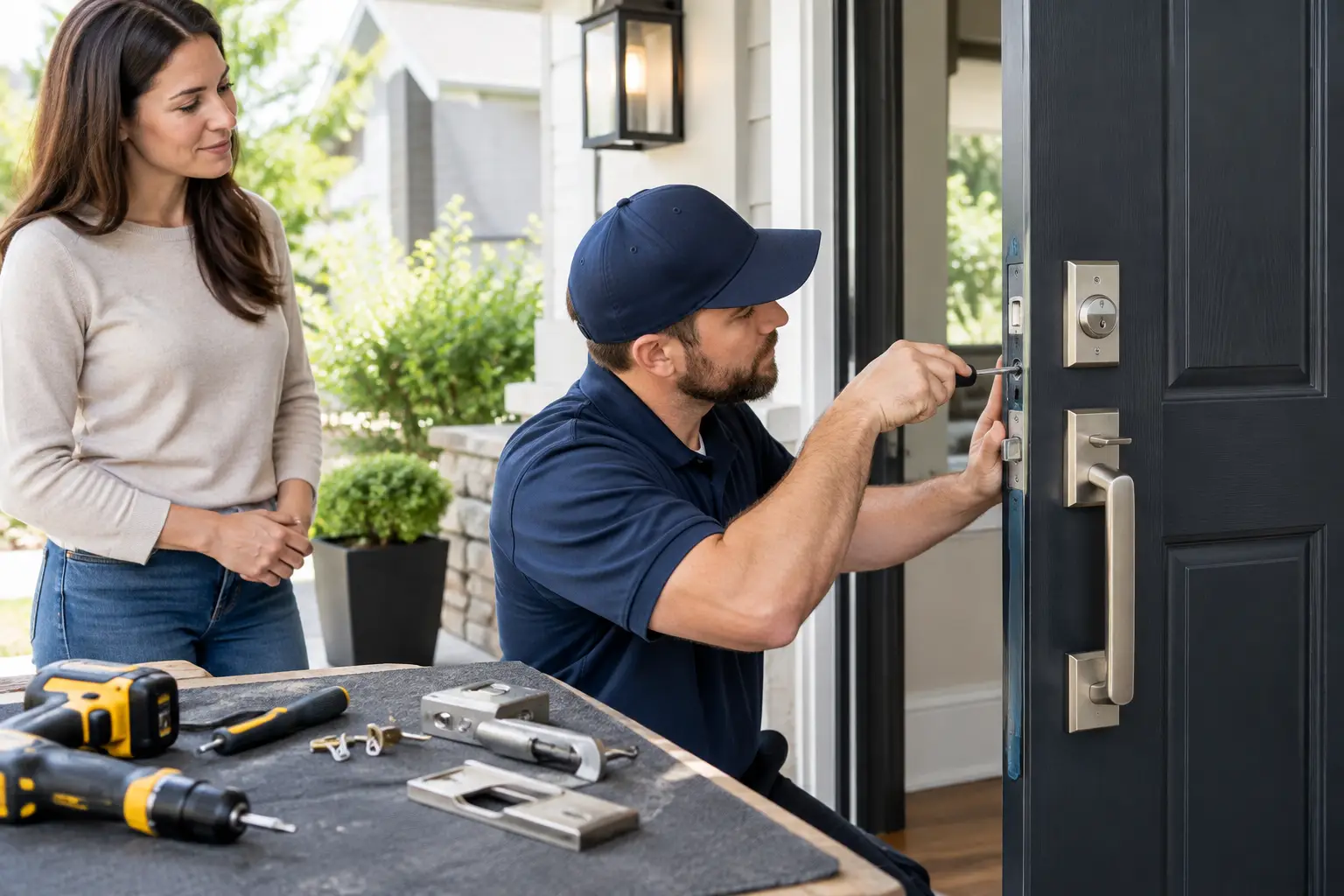
A door can look solid and still be the weakest point in a property. A worn latch, loose strike plate, hollow screws, or outdated key control can give an intruder an easier opportunity than most homeowners or managers realize. Learning how to upgrade door hardware means looking beyond the lock itself and strengthening the full assembly that keeps the door closed, aligned, and controlled.
For homes, rental properties, offices, and storefronts in Montgomery County, the right upgrade depends on the door, who uses it, and the level of access you need to manage. A professional locksmith can identify where the real vulnerability lies and recommend improvements that work together instead of replacing one part while leaving the weak point untouched.
Start With a Door Hardware Assessment
Before choosing new hardware, inspect how the door operates. Does it rub the frame, sag on its hinges, require force to latch, or leave visible gaps when closed? A high-quality lock cannot perform as intended if the door and frame are misaligned.
Check the condition of the deadbolt, latch, strike plate, hinges, door closer, and surrounding frame. On exterior doors, pay close attention to fasteners. Short screws may hold a strike plate or hinge in place visually, but they do not provide the same support as properly sized screws anchored into the structural framing.
Also consider access history. If you recently moved, changed tenants, lost track of spare keys, or had employee turnover, rekeying or replacing locks should be part of the plan. Existing keys may still be in circulation, even when the hardware appears to work properly.
How to Upgrade Door Hardware in the Right Order
The most effective upgrades address structure first, then locking, then convenience. That order helps prevent a common mistake: installing an advanced lock on a door with weak hinges or a poorly secured frame.
Reinforce the strike plate and door frame
The strike plate is the metal component on the frame that receives the latch or deadbolt. It takes significant force during an attempted forced entry. Replacing a thin or damaged strike plate with a reinforced model and securing it with longer, properly installed screws can materially improve resistance at the lock side of the door.
Frame condition matters just as much. Wood that is split, soft, or previously damaged needs correction before new hardware is installed. For commercial openings, the frame, latch preparation, and door closer must all be evaluated together so the door latches reliably every time.
Choose a deadbolt that matches the door
For most residential exterior doors, a properly installed single-cylinder deadbolt is a practical baseline upgrade. It provides a dedicated locking point separate from the spring latch in the doorknob or lever.
However, the right configuration depends on the opening. Doors with glass near the lock may require a different approach than a solid entry door, while some building codes and fire egress requirements limit which hardware can be used. A locksmith can help select hardware that strengthens security without interfering with emergency exit requirements.
Avoid treating a deadbolt as a universal fix. A deadbolt installed in a weak, damaged, or poorly aligned door frame cannot compensate for those underlying issues.
Upgrade hinges on outward-swinging doors
If an exterior door swings outward, its hinges may be accessible from outside. Standard removable hinge pins can create an avoidable concern. Security hinges or hinge bolts help keep the door secured even if hinge pins are removed.
Hinges also need to be strong enough for the weight of the door. Loose screws, worn knuckles, and sagging hinges can pull the door out of alignment, putting stress on the lock and preventing the deadbolt from extending fully into the strike. This is often a repair issue before it becomes a lock replacement issue.
Replace worn knobs and levers
Entry knobs and levers are frequently used, which makes them vulnerable to wear. A loose lever, sticking latch, or handle that must be lifted or pulled to lock is more than an inconvenience. It can signal internal failure or alignment problems that leave the door unreliable.
Choose hardware designed for the door’s use. A busy office, multifamily property, or retail entrance may need commercial-grade lever hardware and a closer, while a low-traffic residential door may have different requirements. The finish matters for appearance, but the function, handing, backset, and door thickness must be correct for dependable installation.
Consider Smart Locks Without Sacrificing Physical Security
Smart locks can be useful for homeowners, property managers, and business operators who need more control over access. Depending on the model, you may be able to use keypad codes, mobile credentials, temporary access schedules, and audit activity from a connected system.
They are especially helpful when access changes often. A property manager can remove a former tenant’s code, a homeowner can provide time-limited access to a trusted visitor, and a business can reduce dependence on shared physical keys.
But smart features do not replace solid mechanical installation. The door must align correctly, the bolt must move freely, and the strike must be securely mounted. Battery maintenance and backup entry options also deserve consideration. For commercial environments with multiple users or doors, a more comprehensive access control system may be a better fit than separate consumer-style smart locks.
Improve Key Control When Rekeying Is Enough
Not every door hardware upgrade requires replacing every lock. Rekeying changes the internal configuration of an existing compatible lock so previous keys no longer operate it. This can be an efficient security improvement after a move, tenant turnover, employee separation, or lost-key incident.
Replacement is the better choice when the lock is damaged, outdated, unreliable, incompatible with your access needs, or not suitable for the door. A professional locksmith can determine whether rekeying will provide the protection you need or whether new hardware is warranted.
For businesses and larger properties, key control may involve more than one door. Master key systems can be designed to give staff, managers, maintenance teams, and authorized vendors different levels of access. The design must be deliberate. Poorly managed key systems can create confusion and leave too many people with access to sensitive areas.
Ready to Upgrade Your Door Hardware?
Multi Locksmith LLC provides licensed, insured, and background-checked locksmith service throughout Montgomery County.
📞 Call 240-706-4799Do Not Overlook Commercial Exit Hardware
Commercial door upgrades require special attention because security and emergency egress must work together. Panic hardware, exit devices, door closers, access control, and fire-rated door requirements are not interchangeable components.
A business should never install or modify exit hardware without confirming that the door remains easy to open from the inside during an emergency. Doors that stick, fail to latch, or have improperly installed panic bars can create operational and life-safety concerns. Qualified commercial locksmith service helps ensure the hardware is appropriate for the opening and installed to function as intended.
When to Call a Professional Locksmith
Some hardware changes appear straightforward, but small installation errors can weaken the upgrade. A misaligned strike, incorrect backset, unsuitable lock type, or overtightened component can cause binding, premature wear, or a door that does not secure consistently.
Call a licensed and insured locksmith when you are dealing with an exterior entry door, damaged hardware, a door that will not align, lost key control, smart lock installation, commercial access needs, or panic hardware. Mobile service is also valuable when an issue needs attention at the property rather than after the door stops working completely.
Multi Locksmith LLC provides professional on-site locksmith support for residential and commercial customers throughout Montgomery County. A trained technician can assess the complete opening, explain the options clearly, and complete the work with accountability rather than guesswork.
A stronger door starts with the details people rarely notice: a bolt that extends cleanly, hinges that hold their position, a reinforced frame, and access that stays in the right hands. Address those details before they become an urgent problem, and your door hardware will do what it is supposed to do every day.