
Can Locksmiths Rekey Smart Locks? What to Know
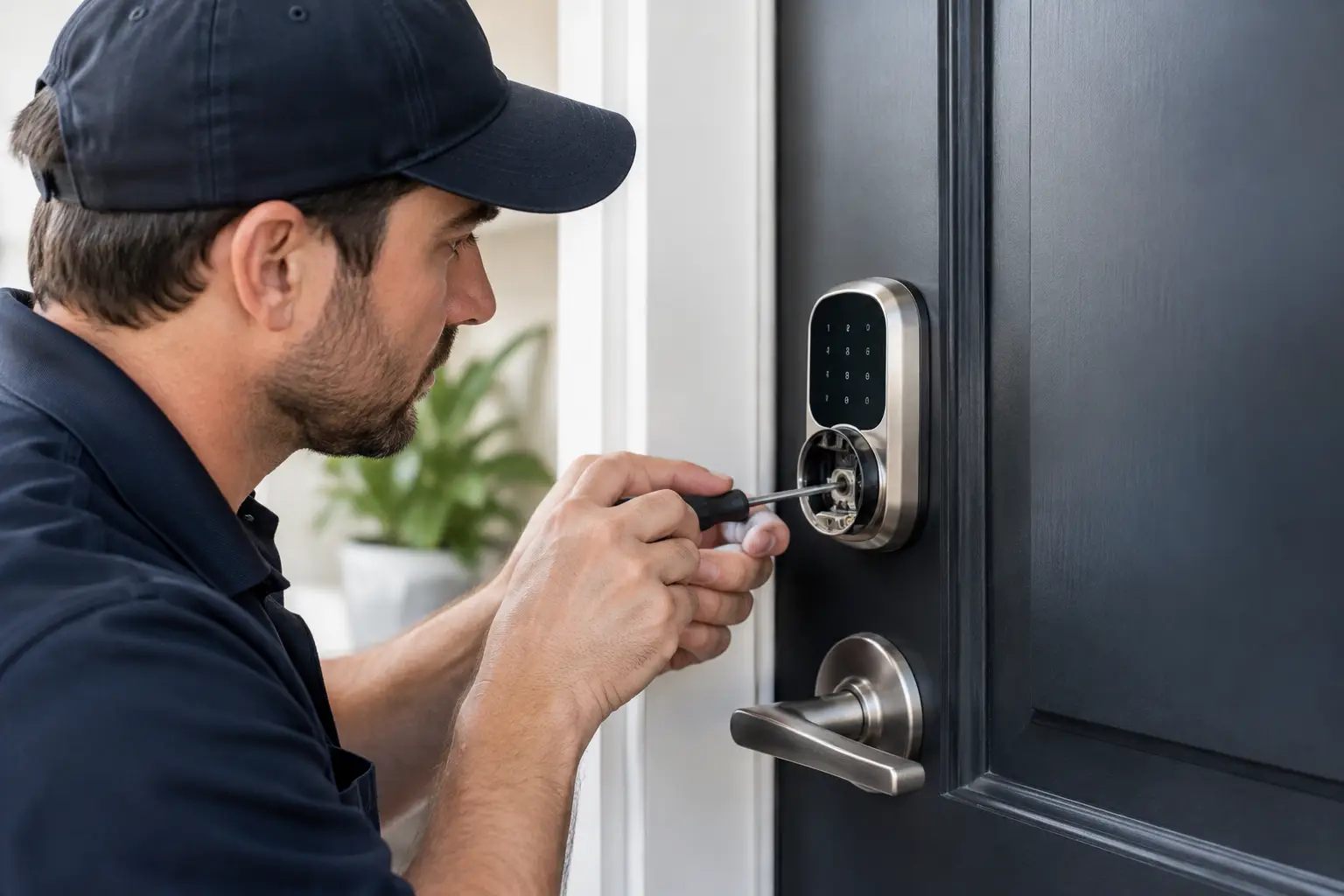
A move-in, employee departure, or lost house key can create an immediate access concern. Homeowners often ask, can locksmiths rekey smart locks without replacing the entire device? In many cases, yes. But the answer depends on whether the smart lock has a traditional key cylinder, the type of cylinder it uses, and whether the electronic side of the lock still works correctly.
Smart locks combine mechanical hardware with electronics. A qualified locksmith looks at both systems before recommending a solution. Rekeying may restore control over physical keys, while account management, code changes, and device resets address digital access. These are related tasks, but they are not the same service.
Can Locksmiths Rekey Smart Locks With Key Cylinders?
Many smart deadbolts and lever locks include a keyway as a backup entry method. Behind that keyway is a mechanical cylinder, much like the cylinder inside a standard deadbolt. When the cylinder is compatible and in good condition, a locksmith can often change its internal pins so the old key no longer operates it.
This is the most common situation where smart lock rekeying is possible. The keypad, app controls, fingerprint reader, or remote features can remain in place while the mechanical key is changed. For a homeowner, that can be a practical choice after taking possession of a property or when a key cannot be accounted for.
Not every key cylinder can be rekeyed. Some smart locks use proprietary cylinders, restricted keyways, sealed components, or designs that are intended for replacement rather than pin changes. Others are built around a removable core. In those cases, the locksmith may replace or reconfigure the core instead of repinning the existing cylinder.
A professional will identify the lock model, inspect the keyway, and confirm the condition of the deadbolt before beginning work. Trying to force a disassembly or using the wrong parts can damage the mechanical function of the lock and leave a door unreliable.
The Electronic Features Usually Need Separate Attention
Rekeying changes the physical key that turns the cylinder. It does not automatically remove old user codes, erase a former resident’s app access, or disconnect the lock from a previous smart-home account.
After a rekey, the electronic side should be reviewed as carefully as the keyway. This often means deleting unused entry codes, changing the administrator code, removing past users, reviewing temporary access schedules, and confirming that the lock is connected only to the current owner’s account. If the device supports activity alerts, verify that notifications are going to the right person.
For a rental home, office, or shared property, this step matters just as much as the new key. A former tenant may no longer have a physical key but could still have a valid code or mobile credential if account permissions were not updated.
Smart Locks That Usually Cannot Be Rekeyed
Some electronic locks have no physical keyway at all. They may use only a keypad, app, card, fob, fingerprint reader, or integrated access control system. Since there is no mechanical cylinder, there is nothing to rekey.
That does not mean the lock cannot be secured after an access change. The proper approach is to reset or reprogram authorized credentials. Depending on the system, that can include changing the master code, deleting individual users, replacing cards or fobs, resetting the unit, or updating access-control permissions.
There is one important trade-off with a full reset: it can remove all existing users and settings. That may be the right step after a property changes hands, but it can also interrupt access for family members, employees, service providers, or tenants if the new credentials are not organized first. A locksmith can help confirm the lock’s capabilities and make sure the physical hardware is functioning properly, while the owner or authorized administrator manages account-level permissions when required by the manufacturer.
When Rekeying Is the Right Choice
Rekeying makes sense when the lock is mechanically sound, the smart features are working as intended, and the concern is control over existing keys. It is especially useful after a move, after keys have been misplaced, or when a business needs to remove a former keyholder from a limited number of doors.
It can also help simplify key management. If compatible locks are rekeyed to work with one key, a homeowner can reduce the number of keys carried for exterior doors. Property managers may use a similar approach on approved mechanical hardware while keeping separate codes or credentials for individual occupants.
However, rekeying is not a cure for every problem. If the deadbolt binds, the latch does not align with the strike, the keypad is failing, battery contacts are corroded, or the lock repeatedly loses power or connection, the issue may be installation, wear, door alignment, or electronic failure. Changing the key pins will not correct those conditions.
Signs Replacement May Be Better
Replacement may be the more dependable option if the lock has been damaged, its keyway is no longer serviceable, essential parts are unavailable, or the technology no longer supports the access needs of the property. A business that has grown beyond individual codes, for example, may benefit from a managed access-control approach rather than relying on several standalone smart locks.
For residential doors, replacement may also be worth considering when the existing lock does not provide the level of key control, durability, or convenience the household needs. The right recommendation should account for the door, the people who need access, the building’s rules, and the owner’s ability to manage the system over time.
Get a Professional Smart Lock Assessment
Multi Locksmith LLC provides licensed, insured, and background-checked technicians for smart lock rekeying, replacement, and installation throughout Montgomery County.
📞 Call 240-706-4799Why Smart Lock Rekeying Needs a Professional Assessment
A smart lock can look simple from the outside, but its function depends on correct mechanical installation. The deadbolt must extend smoothly into the frame, the cylinder must operate without excessive force, and the interior assembly must be mounted correctly. Electronics do not compensate for a misaligned door or an improperly fitted deadbolt.
A licensed and insured locksmith can assess the complete setup on-site. That includes the condition of the cylinder, the bolt, the strike plate, the door frame, and the existing keys. If a rekey is appropriate, the technician can verify that the new key operates consistently and that the lock’s mechanical override works after reassembly.
This is particularly valuable during urgent situations. If you have lost keys, recently moved, or need to change access after an employee transition, it is easy to focus only on the app or keypad. A professional assessment prevents a missed physical keyway, an overlooked code, or a failing lock component from becoming a later problem.
Questions to Ask Before Service
Before scheduling smart lock service, have the lock’s make and model available if possible. Let the locksmith know whether the lock has a physical keyway, whether you have working keys, and what has changed. For example, say whether keys were lost, a tenant moved out, the lock stopped responding, or you want several doors keyed alike.
You should also be prepared to show authorization for the property. For commercial locations, identify who can approve changes to doors, codes, and access credentials. Clear authorization protects the property owner and helps the locksmith complete the work without delay.
If the lock is connected to an app, keep account login details available. The locksmith may not need them to rekey the mechanical cylinder, but you will need access to remove users and confirm settings afterward. Do not share administrative credentials unless it is necessary and authorized.
For homeowners and property managers in Montgomery County, a trusted mobile locksmith can evaluate the lock at the door and recommend the most practical path forward. Rekeying can be an effective solution, but only when it addresses the actual access concern. Taking care of both the keyway and the digital permissions gives you a clearer, more controlled start after any change in who should enter your property.