
Why Change Locks After a Tenant Moves Out?
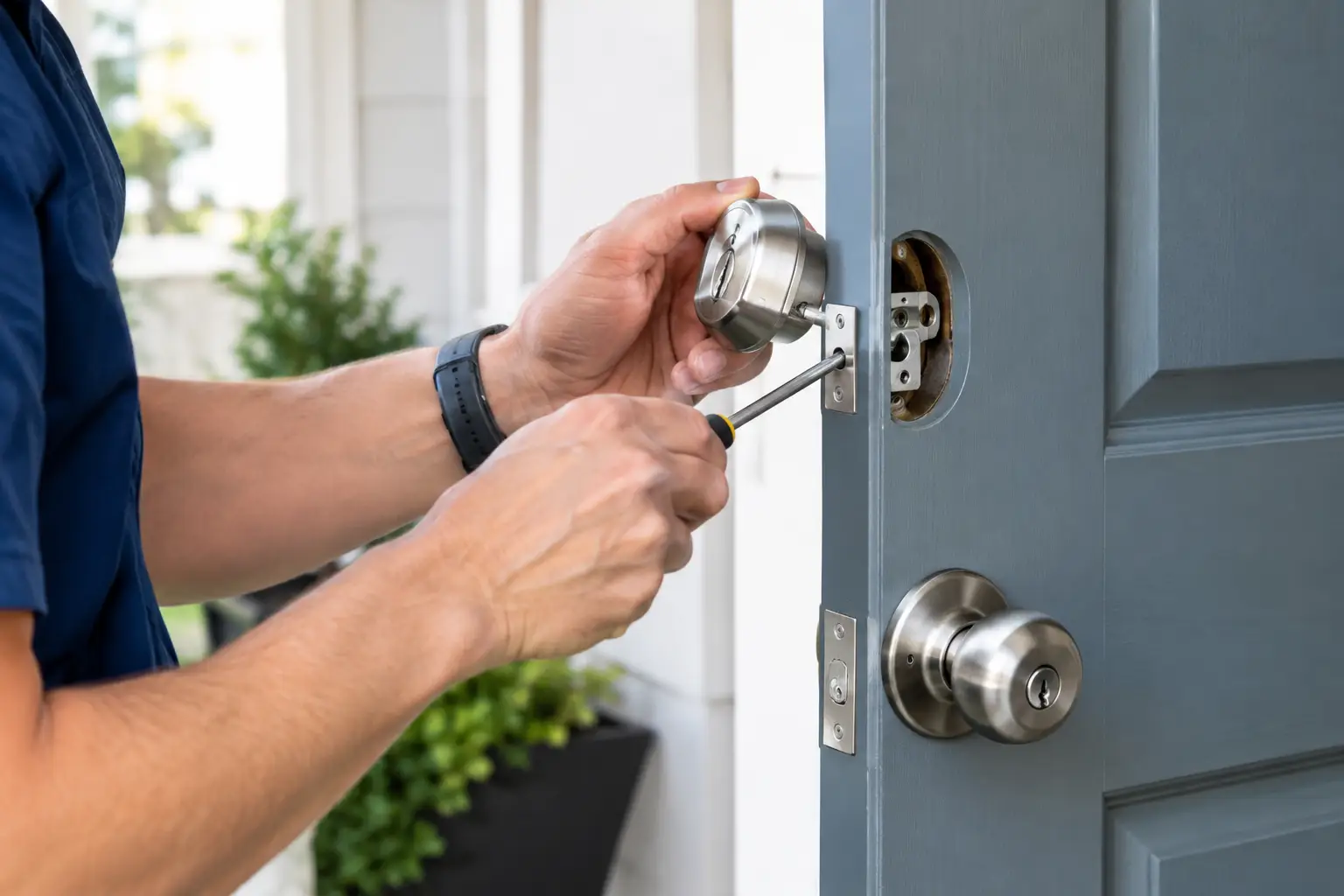
A move-out can look complete on paper while access to the property remains uncertain. Former tenants may still have original keys, copied keys, keys shared with relatives, or credentials saved to a keypad lock. That is why many property owners choose to change locks after tenant moves out and possession has legally returned to them. It is a practical step that restores control over who can enter the home, unit, office, or rental property.
For landlords and property managers, this is not about assuming bad intent. It is about closing a security gap between occupants. A professional locksmith can inspect the existing hardware, identify which doors need attention, and recommend whether rekeying, replacement, or an access upgrade makes the most sense.
Change Locks After a Tenant Moves Out Only After Lawful Turnover
Timing matters. A landlord should not change locks to pressure a tenant to leave, prevent them from collecting belongings, or bypass the required legal process. Even when a lease has ended, the property owner should confirm that the tenant has surrendered possession and that there is no remaining right of entry before changing the locks.
Clear documentation helps. A completed move-out inspection, key return, written confirmation of vacancy, and any required notices create a cleaner transition. If there is uncertainty about abandonment, eviction status, or possession, seek appropriate legal guidance before altering access.
Once turnover is confirmed, prompt action is sensible. Every day an old key remains active is another day the property owner cannot be certain who has access. This concern is especially relevant when keys may have passed through roommates, cleaners, contractors, pet sitters, guests, or prior maintenance personnel.
Rekeying or Replacing: What Is the Right Move?
Changing the key does not always require replacing the entire lock. In many rentals, rekeying is the most efficient solution. A locksmith changes the internal pin configuration of a compatible lock cylinder so that old keys no longer work. The lock hardware stays in place, but it operates with a new key.
Rekeying is often a strong choice when the lock is in good condition, the keyway is standard, and the property owner wants consistent access across several doors. It can also help property managers reset a unit between tenants without installing new hardware each time.
Replacement is the better choice when the existing lock is worn, damaged, unreliable, or does not provide the level of protection the property needs. Signs of concern include a loose deadbolt, a latch that sticks, a key that requires force, visible damage around the cylinder, or hardware that has been heavily used over many turnovers. Replacing compromised locks before the next resident moves in can prevent inconvenient lockouts and maintenance calls later.
A professional assessment is valuable because not every door needs the same treatment. The front entry may need a dependable deadbolt, while a rear entry, garage-to-home door, mailbox area, storage room, or shared utility space may require different hardware or controlled key access.
Do Not Forget Secondary Entry Points
The main front door receives the most attention, but it is rarely the only door that matters. A thorough turnover review should include all exterior entries and any interior door that protects a restricted area. If the property has a side entrance, basement door, patio door, attached garage entry, or separate office area, those locks should be checked as part of the same service visit.
Property owners should also account for keys issued to maintenance staff or vendors. If a master key system is in place, changing one cylinder without reviewing the overall system can create confusion or leave unnecessary access active. A locksmith can help maintain the intended hierarchy of access while removing credentials that should no longer work.
Electronic Locks Need a Full Reset
Keypad and smart locks add convenience, but they require more than a physical key change at turnover. Delete every former tenant code, remove temporary codes, review administrator access, and reset connected accounts when appropriate. If the lock uses an app, confirm that the departing resident no longer has remote control or notification access.
The same principle applies to shared building doors, access cards, fobs, and garage remotes. Physical keys are easy to picture, but digital credentials can be overlooked. A complete access review helps avoid the situation where a former resident cannot open the front door but can still operate a garage, gate, or common-area entry.
For owners managing multiple units, a structured turnover checklist can reduce missed steps. Record the date access was changed, which doors were serviced, how many keys were issued, and who received them. This creates accountability and makes the next turnover easier to manage.
Choose Hardware That Fits the Property
The best lock setup depends on the property, the door construction, the turnover frequency, and the type of occupancy. A single-family rental may benefit from durable deadbolts keyed alike for owner convenience. A multi-unit property may need controlled key systems that limit unauthorized duplication. An office suite may require access control or a master key plan that gives managers access while limiting access to private areas.
Convenience should never come at the expense of reliable operation. A feature-heavy lock can be useful, but only if the people responsible for the property understand how to manage codes, batteries, override keys, and user permissions. For some rentals, a quality mechanical deadbolt with professional rekeying between tenants remains the most straightforward solution.
It also helps to consider the next emergency before it happens. Doors that are out of alignment, loose strike plates, weak latch engagement, and failing door closers can all affect security and daily use. Addressing these issues during turnover is usually easier than responding to an urgent call after a new tenant moves in.
Get a Professional Rekey for Your Turnover
Multi Locksmith LLC provides licensed, insured, and background-checked technicians for rekeying, lock replacement, and electronic lock resets for property managers throughout Montgomery County.
📞 Call 240-706-4799Build Lock Changes Into Every Turnover Process
The most dependable approach is to treat access control as a standard part of the move-out process, not a decision made only when keys are missing. Even if every issued key is returned, duplicates may exist. Rekeying or replacing locks creates a known starting point for the next tenant and helps demonstrate that the property has been prepared responsibly.
A practical turnover process starts with confirming lawful vacancy, then inspecting all entry points, collecting keys and devices, resetting electronic credentials, and issuing new keys only to authorized people. Keep the number of copies limited and document where they go. If contractors need temporary access, use a controlled process rather than distributing permanent keys without a record.
For property managers in Rockville, Silver Spring, Bethesda, and throughout Montgomery County, a mobile locksmith can complete this work on-site and coordinate service around inspections, cleaning, repairs, and incoming occupancy. Multi Locksmith LLC provides licensed and insured locksmith support for planned turnover work as well as urgent access concerns.
When a Same-Day Locksmith Visit Makes Sense
Some situations should not wait for the next maintenance cycle. Arrange professional service promptly if keys are unaccounted for, a former tenant has not returned all access devices, a lock appears tampered with, the door will not secure properly, or an electronic lock still shows prior user access. The same applies when a new tenant is scheduled to move in and the current lock condition is uncertain.
A qualified locksmith can verify the hardware condition, rekey compatible cylinders, replace damaged components, and test each door before leaving. That final testing matters. A lock is only useful when the key turns smoothly, the latch engages correctly, the deadbolt extends fully, and the door closes without force.
A completed move-out is the right moment to regain control of access and prepare the property for its next chapter. Handle the legal turnover first, then make the lock decision promptly, document the new access plan, and give the next occupant the confidence that their new space begins with a fresh set of keys.