
Electronic Keypad Lock Review for Home Security
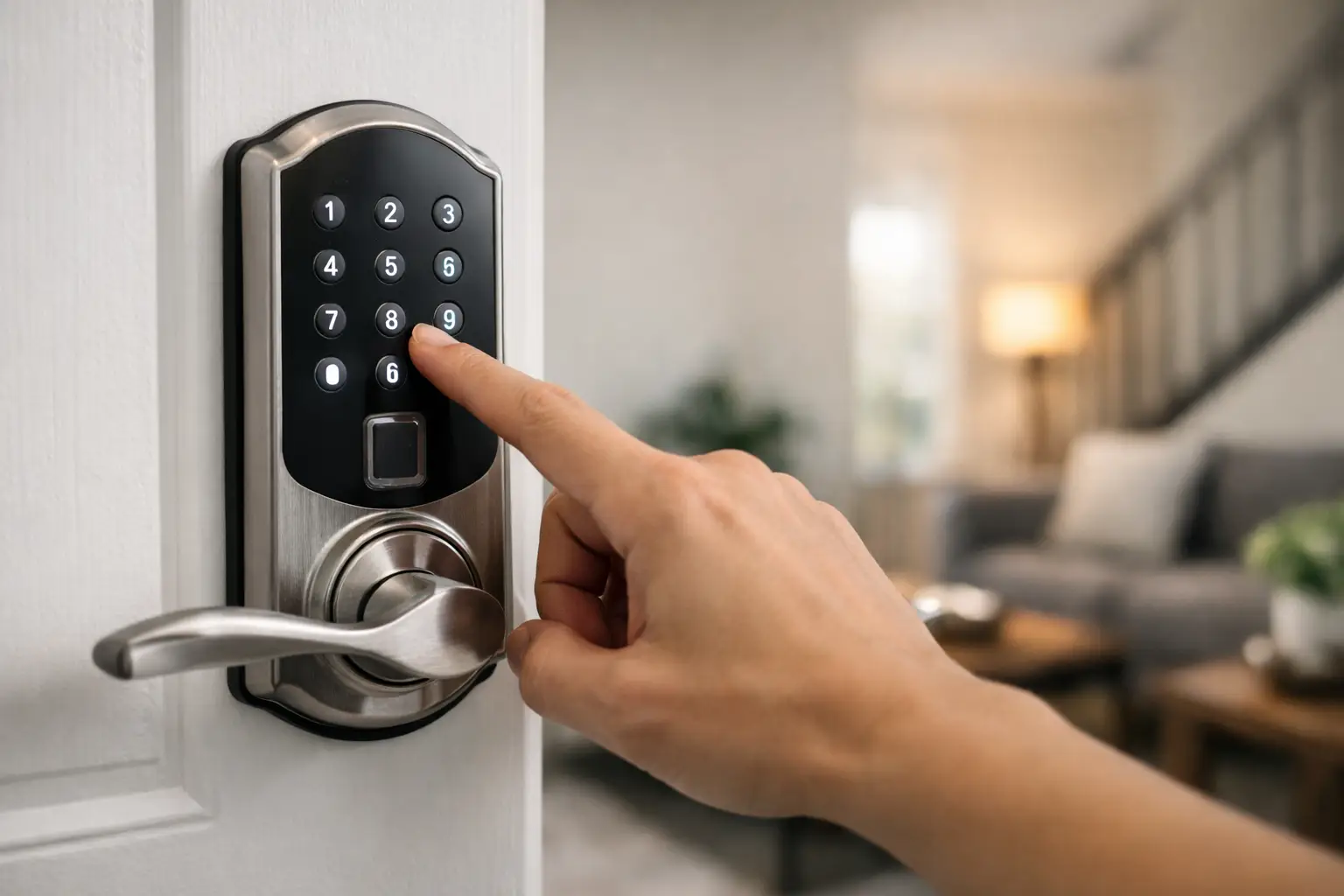
A keypad lock can look like a simple upgrade until the door will not latch correctly, the code buttons become difficult to use, or a resident needs access when the batteries are depleted. This electronic keypad lock review focuses on what matters after installation: dependable entry, proper door compatibility, sensible user controls, and security that fits the property rather than the box.
For homeowners, property managers, and business operators, the right choice is rarely just the lock with the longest feature list. A good electronic lock should make authorized access easier while maintaining a strong, reliable barrier at the door. The hardware, installation quality, and daily management all carry equal weight.
Electronic Keypad Lock Review: Start With the Door
Before comparing keypad layouts or app features, look at the existing door and frame. A keypad lock can only perform as well as the door it is installed on. A loose strike plate, worn hinges, misaligned latch, or damaged deadbolt bore can cause problems that may appear to be an electronic failure.
Most residential keypad deadbolts are designed for standard door thicknesses and common backset measurements. However, older homes, custom doors, metal doors, storm-door arrangements, and reinforced frames can require closer attention. The deadbolt should extend fully into the strike opening without needing to push, pull, or lift the door. If it binds, the motor has to work harder each time it locks or unlocks, which can shorten battery life and strain internal components.
A professional installation also checks whether the exterior keypad sits level and whether the interior assembly is secured without pinching wires. These details affect long-term reliability. A lock that works perfectly on installation day can become inconsistent if the door shifts with seasonal weather or if the latch was never aligned correctly.
What a Dependable Keypad Lock Should Do
The best keypad lock is not necessarily the one with the most technology. It is the one that consistently locks, accepts authorized codes, and gives clear feedback to the person using it. For a primary entry door, choose hardware from an established manufacturer with a suitable ANSI/BHMA grade for the door’s use. Grade 2 hardware is common for residential applications, while Grade 1 hardware is often a better fit for heavily used doors and many commercial settings.
Button design matters more than it may seem. Physical buttons can be easier to operate with gloves or in poor weather, while touchscreens may offer a cleaner appearance and can hide fingerprints through random-number display features. Touchscreens also depend on the user seeing the display clearly, so they are not ideal for every entryway.
Look for a lock that provides audible or visual confirmation when a code is accepted and when the deadbolt has fully moved. That feedback helps prevent the common mistake of assuming a door is secured when the bolt did not extend completely. Some models also include an automatic locking setting. This can be useful for busy households, rental turnover, or office doors, but it should be selected carefully. A short delay can be inconvenient when someone is carrying groceries, unloading equipment, or making repeated trips through the entry.
Codes, Keys, and Everyday Access
Electronic keypad locks are especially useful because access codes can be changed without cutting and distributing additional keys. A homeowner can create a unique code for each household member. A property manager can remove a former tenant’s code. A business can assign individual codes to employees who need access outside normal hours.
This convenience only helps when the lock’s user management is straightforward. Choose a model that allows codes to be added and deleted without complicated steps. It should also be possible to change the main programming code immediately after installation. Leaving the factory default in place is an avoidable security weakness.
For many homes, a keypad lock with a traditional key cylinder offers practical backup access. That key should be controlled just as carefully as any other house key. If a key has been lost, copied without authorization, or remains with a former occupant, rekeying or replacing the cylinder should be part of the plan.
Connected keypad locks can add remote code management, access activity alerts, and temporary credentials. Those features are valuable for vacation properties, rentals, and active households, but they introduce another layer of responsibility. The owner must maintain the account, protect login credentials, and keep the lock’s software current when updates are available. If you prefer simple, local operation, a non-connected keypad lock may be the better long-term choice.
Power and Backup Access Are Not Minor Details
Every battery-powered lock needs a realistic plan for low-power conditions. A quality model provides advance low-battery alerts, but those warnings only help if someone notices them and replaces the batteries promptly. Use the battery type specified by the manufacturer, avoid mixing old and new batteries, and test the lock after replacement.
A mechanical key override is a familiar backup option, although the keyway must be accessible and properly maintained. Some electronic locks use a temporary external power connection that can operate the keypad long enough to enter a code. Either approach can work, but the backup method should be understood before an urgent situation occurs.
Weather exposure also deserves attention. An entry under a covered porch has different demands than a door exposed to driving rain, summer heat, and winter cold. Check that the model is rated for the conditions at the opening, and keep the keypad, latch area, and door alignment clean. If the lock repeatedly cycles, beeps unexpectedly, or struggles to extend the bolt, address the cause instead of waiting for complete failure.
The Installation Is Part of the Electronic Keypad Lock Review
A keypad lock is not a universal remedy for a weak door. The deadbolt, strike plate, screws, frame condition, and door material must work together. On an exterior door, longer screws anchored into the framing can strengthen the strike area when appropriate for the construction. On a commercial door, the hardware must also match the door’s fire rating, occupancy needs, and existing exit hardware.
This is where professional evaluation adds real value. An experienced locksmith can identify whether the issue is the lock itself, the door preparation, the latch alignment, or an underlying problem with hinges and the frame. Replacing a functioning lock without correcting a misaligned opening often leads to the same service call later.
For Montgomery County property owners, this matters particularly in older neighborhoods where doors and frames may have settled over time. A lock that fits a newer standard-sized door may require adjustment or a different approach on an older entry.
Get a Professional Electronic Keypad Lock Installation
Multi Locksmith LLC provides licensed, insured, and background-checked technicians for keypad lock selection, installation, and service throughout Montgomery County.
📞 Call 240-706-4799Home Use and Commercial Use Need Different Thinking
A residential front door usually needs a manageable number of codes, dependable backup entry, and hardware that family members can operate comfortably. A side door or garage-entry door may benefit from automatic locking if it is frequently left unsecured by accident.
Commercial properties should consider who needs access, when they need it, and what happens when staff changes. A small office may do well with a keypad deadbolt and disciplined code management. A higher-traffic business, shared building, or restricted area may need commercial-grade hardware, access control, a master key system, or panic hardware that meets the door’s operational requirements. A keypad lock should never interfere with required emergency exit operation.
Property managers should also think about turnover. Individual codes are better than a shared code passed from person to person. Removing a single credential is cleaner, more accountable, and less disruptive than changing access for everyone after one person leaves.
Signs It Is Time to Service or Replace the Lock
Do not ignore a keypad lock that becomes inconsistent. Delayed motor operation, repeated error tones, loose exterior hardware, sticking deadbolts, fading displays, and codes that work only occasionally all warrant attention. Some issues are solved by fresh batteries or door adjustment. Others point to worn internal components or a keypad that is no longer reliable enough for a primary entry.
If the lock has been forced, the door has suffered impact damage, or access codes may have been compromised, have the entire opening inspected. The goal is not just to restore operation. It is to confirm that the door secures correctly and that only authorized people can enter.
A keypad lock should reduce daily friction without creating uncertainty at your door. When you choose hardware that fits the opening, manage codes carefully, and have it installed by a licensed and insured professional, it becomes a practical layer of control for the people and property you protect. Multi Locksmith LLC can help assess the door, install the right hardware, and keep the entry operating as intended when local expert service is needed.