
Silver Spring Electric Strike Installation
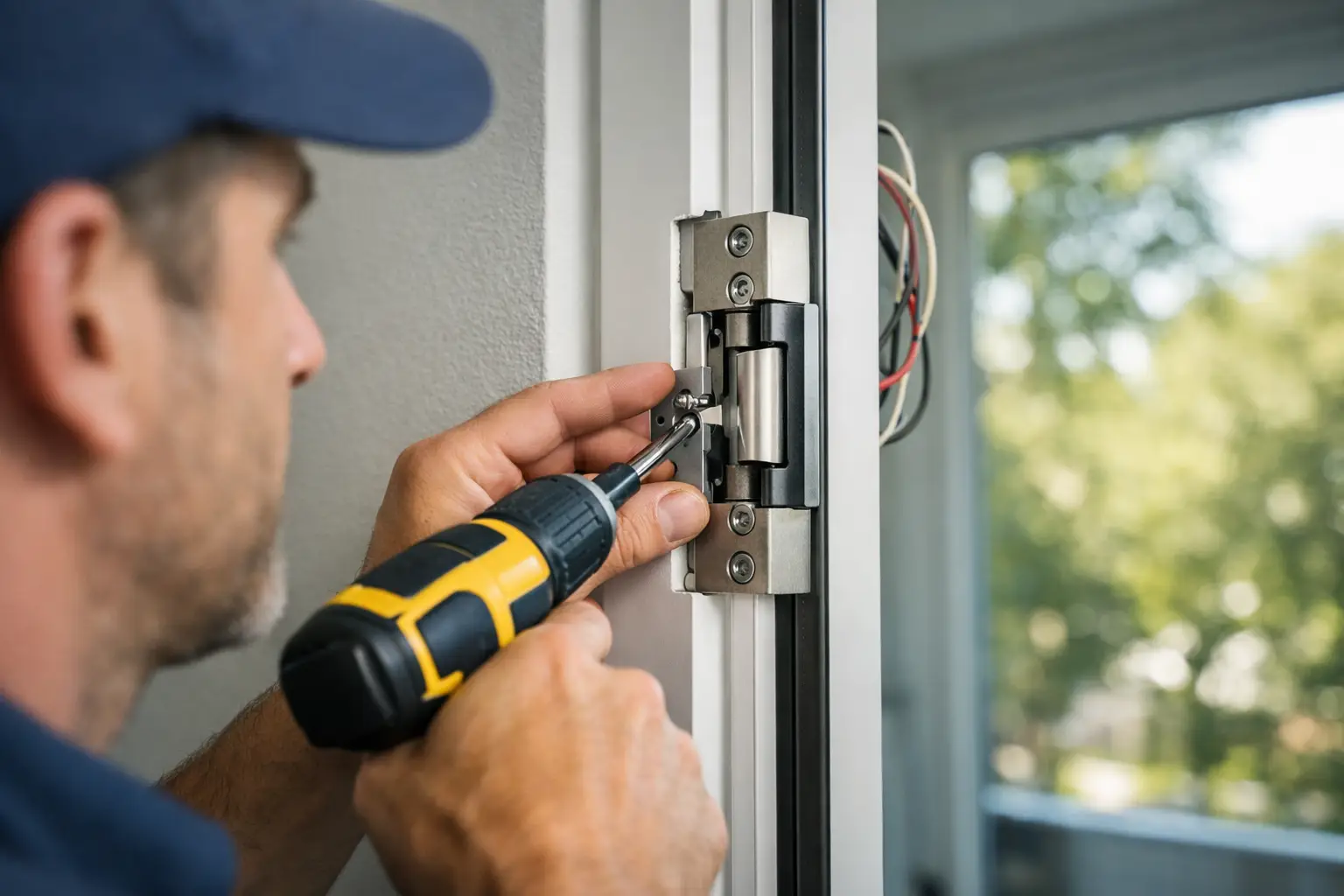
A front door that must be manually unlocked for every visitor can slow down an office, disrupt a busy property, and leave staff managing access instead of doing their work. Silver Spring electric strike installation gives commercial doors a controlled release point that can work with a buzzer, keypad, card reader, intercom, or other access control equipment while preserving a mechanical locking option when needed.
For business owners and property managers, the goal is not simply to add an electronic component to the frame. The goal is to create dependable access that suits the door, the people using it, and the building’s operational requirements. A correctly selected and professionally installed electric strike can make daily entry easier without weakening the door’s physical security.
When Silver Spring Electric Strike Installation Fits
An electric strike is installed in the door frame where the latch normally enters. When it receives the correct signal from an access control device, the keeper releases so the door can be opened without turning the lever or key from the outside. Once the door closes, the latch engages again and restores the locked condition.
This setup is often a strong fit for offices with a controlled front entrance, medical and professional practices, apartment common doors, staff-only areas, storage rooms, and commercial buildings with reception desks. It can also work well where authorized staff need convenient entry but management still wants a physical key override available.
Electric strikes are not the right answer for every door. A door with damaged framing, a misaligned latch, an unsuitable lockset, or specialized exit hardware may need repairs or a different access-control approach first. The installation should begin with the door itself, not with a one-size-fits-all device.
The Door and Hardware Determine the Right Strike
A qualified locksmith examines how the door locks, swings, latches, and closes before recommending a strike. Aluminum storefront frames, hollow metal frames, wood frames, and narrow-profile frames each present different installation conditions. The strike must match the available space in the frame and align precisely with the latch.
The existing lock hardware matters just as much. A cylindrical latch, mortise lock, rim exit device, and certain panic hardware configurations do not use the same strike design. Installing the wrong type can lead to binding, incomplete latching, repeated buzzing, or a door that opens inconsistently.
Door condition is another deciding factor. If the closer is pulling the door too hard, the hinges have sagged, or weather changes have shifted the alignment, even a high-quality electric strike can struggle. Correcting those mechanical problems first helps the access system perform reliably over time.
Power-to-Unlock and Power-to-Lock Operation
Electric strikes are available with different operating modes. One type unlocks when power is applied and returns to locked operation when power is removed. Another remains released without power and locks when power is applied. The appropriate choice depends on the building’s access plan, the connected system, and applicable code requirements.
This decision should not be made based on convenience alone. Doors used along an exit route, doors with fire-rated assemblies, and areas governed by building or life-protection rules require careful hardware selection and installation. A professional evaluates the entire opening – door, frame, latch, closer, access device, and exit hardware – before putting the system into service.
What Professional Installation Actually Involves
Electric strike work is detailed door-hardware work. It is not simply cutting the frame and connecting wires. The strike body must sit at the correct depth and height, the latch must enter cleanly, and the door must latch consistently when it closes.
First, the technician confirms the lock function and measures the existing strike preparation. The frame is then prepared or adjusted for the selected electric strike. Wiring is routed and protected appropriately, with attention to the path between the door frame, access-control equipment, and power source.
After installation, the system is tested under real operating conditions. The door should release with the intended credential or request-to-exit signal, relatch securely after closing, and retain proper key operation where applicable. Testing should include repeated cycles, not a single successful release, because small alignment issues often appear only after the door is used several times.
A professional installation also keeps the finished work clean. Exposed wiring, rough frame cuts, and loose faceplates are warning signs that can affect performance and appearance. Commercial access control is visible to employees, tenants, and visitors every day. The finished opening should look intentional and operate with confidence.
Choosing the Right Access Method
The electric strike is one part of the system. The device that sends the release signal should reflect how people enter the space and how much control management needs.
A receptionist-operated button can be practical for a small office that screens visitors at a front desk. A keypad may suit a staff entrance where authorized users need access outside reception hours. Card, fob, or mobile credential systems provide stronger control for organizations that need to assign, change, or remove access for individual users. An intercom or video entry system can help a property manager verify visitors before releasing a common entrance.
Each option has trade-offs. Shared keypad codes are convenient but can be difficult to control after staff changes. Credential-based systems offer better accountability, but require organized user management. A simple release button may be adequate at a supervised entrance, while an unsupervised entrance may call for a more structured access-control setup.
The right recommendation starts with practical questions: Who enters this door? At what times? Does someone need to verify visitors? Is there existing access-control equipment? What must happen if a credential is lost or an employee leaves? Clear answers prevent an installation that works on day one but becomes difficult to manage later.
Get a Professional Electric Strike Installation
Multi Locksmith LLC provides licensed, insured, and background-checked technicians for electric strike installation, access control wiring, and door hardware service throughout Silver Spring and Montgomery County.
📞 Call 240-706-4799Signs Your Existing Strike Needs Attention
An electric strike should release the latch without forcing the door, pulling on the handle, or pushing hard against the frame. If users regularly have to shove the door, jiggle the lever, or wait through several attempts, the problem may be alignment, worn hardware, inadequate power delivery, or a failing strike mechanism.
Intermittent operation deserves prompt attention. A door that releases sometimes but not consistently creates frustration and can leave employees locked out of an area they need to enter. It may also encourage workarounds, such as propping a door open, that undermine the reason access control was installed in the first place.
Other warning signs include a persistent humming sound, a loose strike faceplate, a latch that catches only partially, or a door that fails to relock after someone enters. These issues are often repairable, but waiting can turn a small door adjustment into a larger hardware problem.
Why Local Professional Service Matters
Commercial door hardware affects both daily operations and property security. That is why installation should be handled by a licensed and insured locksmith who can assess the opening on-site instead of guessing from a photo or recommending a generic part.
Multi Locksmith LLC provides mobile locksmith support for businesses and property managers in Silver Spring and throughout Montgomery County. A trained technician can evaluate the existing door hardware, identify compatibility concerns, and install or service the components needed for controlled entry. Background-checked professionals and on-site diagnostics provide added accountability when access to your building is involved.
For an urgent access issue, prompt service helps restore normal entry without leaving staff to manage a malfunctioning door. For planned upgrades, a site assessment helps ensure the selected hardware supports the way your building actually operates.
A well-installed electric strike should fade into the background of the workday: authorized people enter as intended, the door closes and latches properly, and management keeps control over who has access. That quiet reliability is the standard worth planning for.