
Commercial Lock Audits for Stronger Business Security
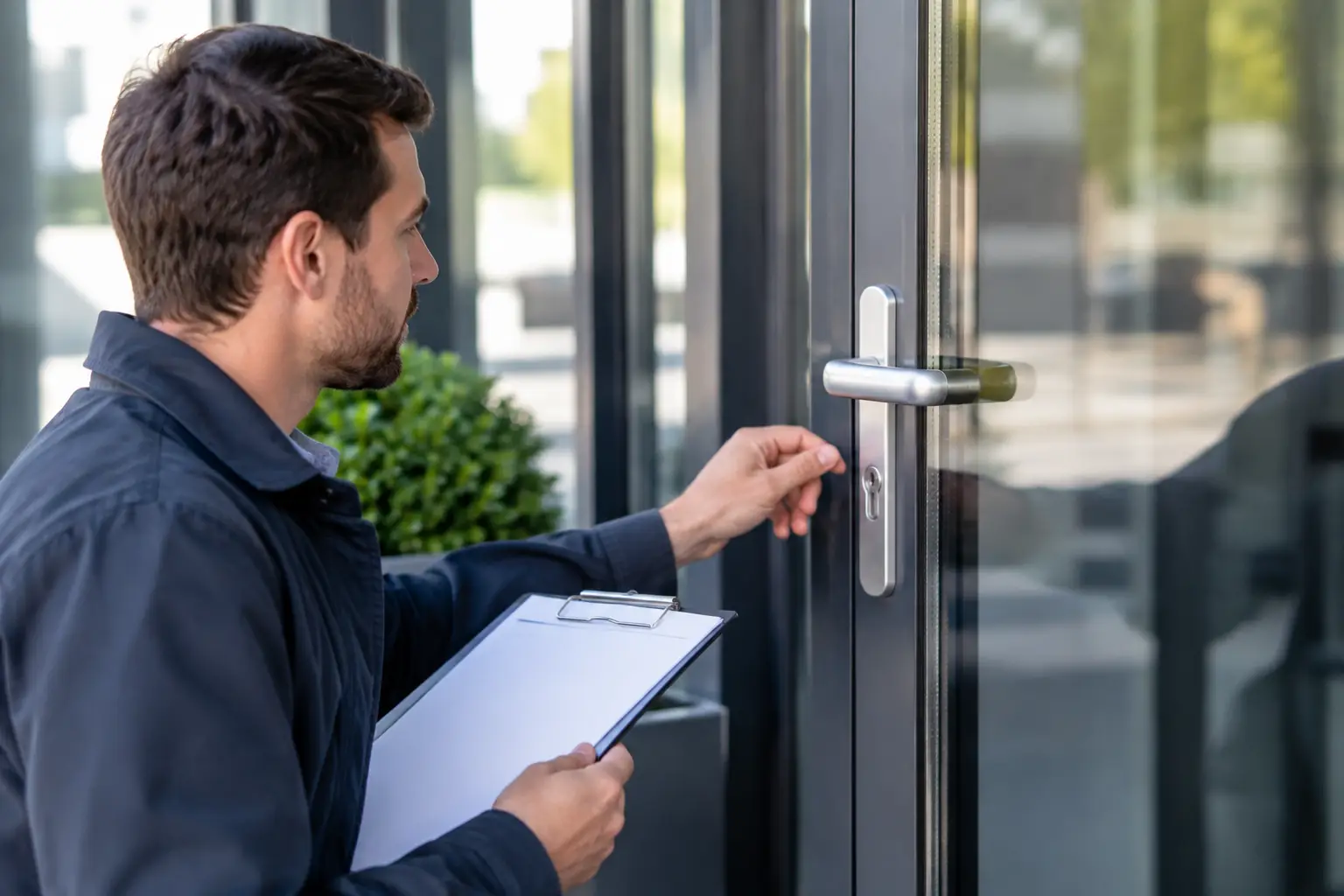
A business can have quality locks and still have an access problem. A former employee may still have a key, a rear exit may not latch consistently, or a storeroom may be protected by the same key used throughout the building. Commercial lock audits bring those issues into view before they become a disruption, loss, or emergency call.
For property managers, office operators, retailers, medical practices, and business owners, an audit is a practical review of who can enter, which doors protect critical areas, and whether the existing hardware performs as intended. It replaces assumptions with a clear, professional plan for improving physical security.
What a Commercial Lock Audit Reviews
A commercial lock audit is not simply a count of locks on the property. It is an on-site assessment of entry points, hardware condition, key control, and the way employees, vendors, tenants, and visitors move through the building.
The locksmith begins with the doors that matter most: front entrances, rear doors, employee-only access points, loading areas, offices, storage rooms, utility spaces, and tenant suites. Each location is reviewed for the lock type, door condition, strike alignment, closer performance, latch engagement, and signs of wear or attempted tampering.
The review also considers how the building operates. A small office with a stable team may need a straightforward restricted-key setup. A multi-tenant property or business with frequent turnover may benefit more from a master key system or electronic access control. The right recommendation depends on the people using the space, the number of doors, the value of what is inside, and how often access permissions change.
Key Control Is Usually the First Concern
Many commercial security gaps begin with keys, not broken hardware. Over time, businesses issue copies to employees, contractors, cleaners, delivery personnel, and former tenants. Without a documented system, no one can say with confidence how many keys exist or who holds them.
An audit identifies which keys operate each door, whether keyways are restricted, and whether the current setup gives more access than necessary. For example, an employee who needs access to a supply room may not need a key that also opens executive offices or equipment areas.
When keys cannot be accounted for, rekeying is often the most direct solution. It changes who can operate the existing locks without requiring a full hardware replacement when the hardware remains in good condition. For a business after staff turnover, a lease change, or a lost key incident, that distinction can make the next step much clearer.
Doors and Hardware Need to Work Together
A lock can be properly installed yet fail to secure a door if the surrounding hardware is out of alignment. Seasonal movement, heavy daily use, worn hinges, damaged frames, and failing door closers can prevent a latch from fully engaging. A door that appears closed may not be secured.
During commercial lock audits, a qualified locksmith checks how the door closes and latches in normal operation. This matters especially at rear exits and high-traffic entrances, where staff may pull the door shut quickly without noticing that it did not catch.
Panic hardware deserves close attention as well. Exit devices must allow occupants to leave quickly while preventing unauthorized entry from the exterior. A poorly adjusted panic bar, incorrect trim, or incompatible locking component can create a serious operational problem. Businesses should have this hardware reviewed after renovations, tenant changes, damage, or recurring door complaints.
Not Every Door Needs the Same Lock
One common mistake is treating every opening as if it carries the same level of risk. The front door, server closet, pharmacy cabinet area, records room, and janitorial closet do not necessarily need identical access rules.
An audit helps classify doors by function. Public-facing entrances may need durable commercial-grade hardware and controlled after-hours access. Interior rooms containing records, inventory, or sensitive equipment may require tighter key control. Emergency exits require hardware selected for code-aware egress, not just a stronger lock.
The goal is not to add complexity where it does not help. It is to place the right level of protection at each opening and make daily use manageable for the people who work there.
When Your Business Should Schedule an Audit
Commercial properties do not need to wait for a break-in or lockout to review access. In fact, the most useful audits are usually scheduled after a change that affects keys, doors, staffing, or the use of the building.
Consider arranging an audit when your business has experienced any of the following:
- Employee turnover, especially when keys were issued without a reliable return process
- A new tenant, business acquisition, relocation, renovation, or lease transition
- Lost, stolen, or unreturned keys
- Doors that stick, fail to latch, require force, or are regularly propped open
- Changes to restricted areas, inventory storage, records handling, or staff responsibilities
- A move from mechanical keys to access control, or a need to coordinate both systems
A periodic review is also sensible for established properties. Hardware wears gradually, and access habits tend to drift over time. What worked for a five-person office may no longer work for a growing business with contractors, shift workers, and multiple departments.
What You Receive After the Assessment
A useful audit should give you decisions, not a vague warning that your building needs better security. The assessment should identify priority concerns, explain why they matter, and distinguish immediate repairs from longer-term improvements.
For example, a damaged latch or unreliable exit device may need prompt attention because the door is not functioning as intended. A disorganized key system may call for a phased rekeying plan. A property with many doors and changing staff may be a candidate for a master key system, access control, or both.
There are trade-offs. Mechanical key systems are familiar and dependable, but they can be difficult to manage if copies circulate freely. Electronic access control can make permission changes easier and provide useful records, but it requires appropriate equipment, installation, and administration. A professional locksmith can help determine whether a simple correction or a more structured system fits the property.
Schedule a Commercial Lock Audit
Multi Locksmith LLC provides licensed, insured, and background-checked commercial locksmith service throughout Montgomery County.
📞 Call 240-706-4799Choosing a Locksmith for Commercial Lock Audits
Commercial security decisions affect employees, tenants, customers, and daily operations. That is why the audit should be handled by a licensed and insured locksmith with experience in commercial doors, panic hardware, master key systems, and access control.
Ask whether the locksmith will inspect the door and frame along with the lock, explain the condition of existing hardware, and provide recommendations based on how your business actually functions. Be cautious of anyone who immediately pushes a full replacement without first evaluating whether rekeying, repair, adjustment, or better key control would address the issue.
For businesses in Montgomery County, Multi Locksmith LLC provides on-site commercial locksmith support with the practical, accountable approach local operators and property managers need. A professional assessment can address a single problem door or provide a broader plan for an entire property.
A Better Time to Find the Weak Point
The best time to discover that a key is unaccounted for or a rear door is not latching is during a planned visit, not after hours when your business cannot open or close properly. Commercial lock audits give you a clear picture of your current access setup and a sensible path forward.
If your keys, doors, or access needs have changed, schedule a professional review before the next small issue becomes a larger interruption.