
Keyless Access for Homes, Offices, and Shops
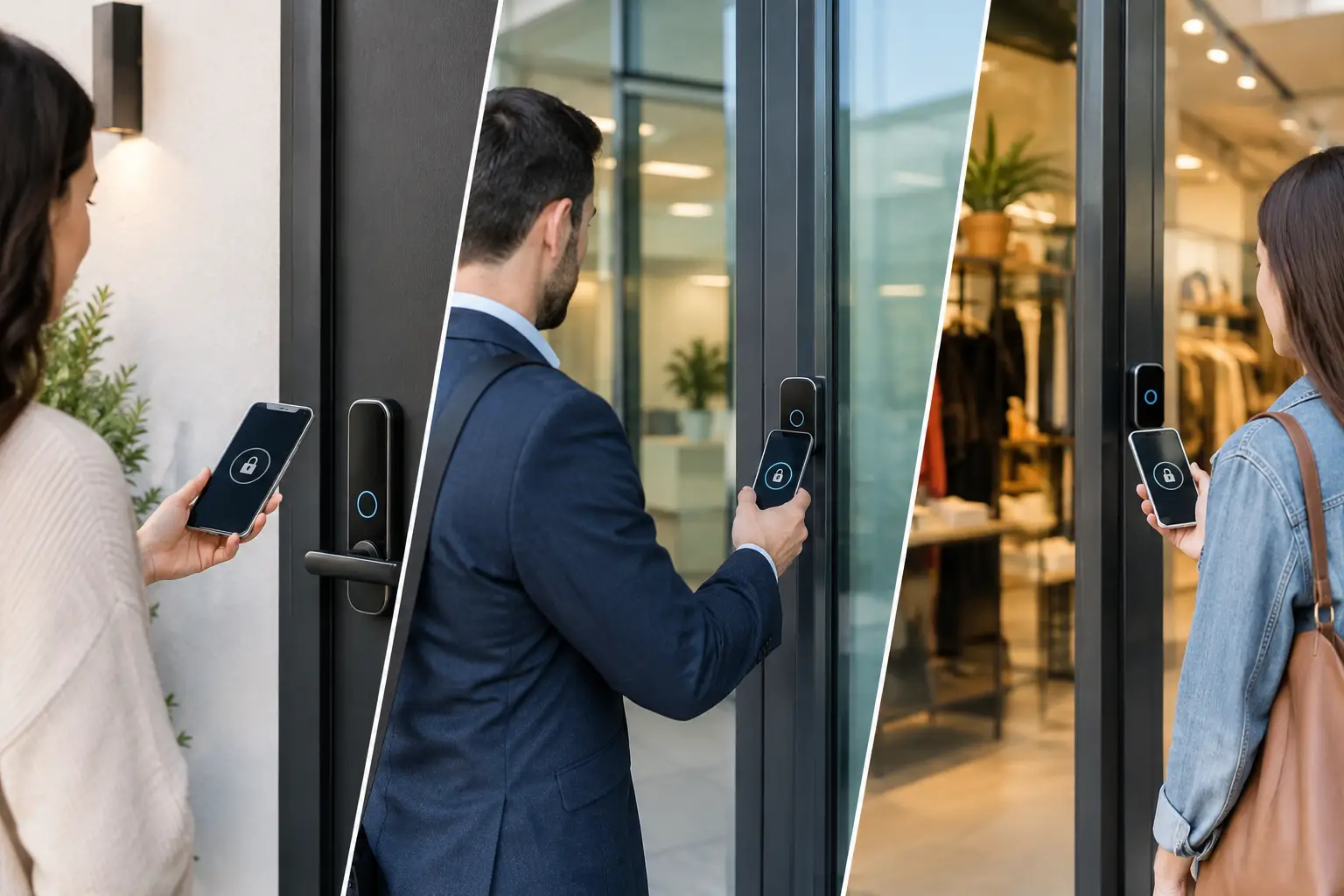
A misplaced key can become a stressful security decision: rekey the lock, wait for a spare, or wonder who may still have access. Keyless access replaces that uncertainty with controlled entry methods such as PIN codes, fobs, cards, mobile credentials, or biometric readers. For a homeowner, that may mean letting a dog walker in without handing over a key. For a business, it can mean removing a former employee’s entry credential in minutes rather than changing hardware throughout the building.
The right system is not simply the one with the most features. It is the one that fits the door, the people using it, the level of accountability required, and the property’s daily routine.
What Keyless Access Actually Changes
Traditional locks rely on a physical key that can be copied, misplaced, loaned out, or retained after someone moves on. Keyless systems shift access from a piece of metal to a credential that can be assigned, changed, scheduled, or removed. The lock still needs professionally installed hardware and proper door alignment, but the way people prove they are authorized to enter changes.
A keypad lock uses a numeric code. Electronic locks may accept a fob, card, or smartphone credential. More advanced commercial access control systems can record entry events, limit access by time of day, and assign different permissions to different doors.
That added control is especially useful when access changes often. Rental properties, offices with staff turnover, medical practices, retail spaces, and homes with regular service providers can all benefit from being able to update credentials without collecting every key first.
Choosing the Right Keyless Access System
The best choice depends on how the property operates. A front door at a single-family home has different needs from a shared office entrance or a rear employee door that sees heavy daily use.
For homeowners: convenience with a reliable backup
Most homeowners prefer a keypad or smart lock that lets family members use individual codes. Separate codes make it easier to know who has access and remove a code when a contractor’s work is complete. Temporary codes are useful for house guests, cleaners, pet sitters, and relatives checking on the property.
Convenience should not replace preparation. Battery-powered locks need battery changes before power runs low, and homeowners should understand the lock’s backup-entry option. Depending on the hardware, that may be a mechanical key override or an external emergency power contact. The right option should be reviewed before installation, not during a late-night lockout.
Smartphone-controlled locks can be helpful, but they are not always the best answer. They depend on a charged phone, app access, and sometimes a stable network connection for remote features. A keypad credential is often simpler for children, older relatives, and visitors who do not want another app.
For businesses: permissions matter as much as the lock
Businesses need more than convenient entry. They need clear control over who can enter, where they can go, and when that access should end. A commercial keyless access system can assign credentials by role: staff may access an employee entrance, managers may access supply areas, and only designated personnel may enter restricted rooms.
For a small office, standalone keypad locks may be appropriate for selected interior doors. For larger facilities or locations with multiple entry points, an integrated access control system can centralize management and provide an audit trail of credential activity. That record can help property managers investigate entry concerns, verify procedures, and maintain better operational accountability.
Commercial doors also require the correct supporting hardware. A credential reader does not solve a problem caused by a worn closer, misaligned door, damaged latch, or improperly installed panic hardware. Access control works best when the entire opening is evaluated as one system.
For property managers: plan for frequent changes
Property managers often deal with move-ins, move-outs, maintenance teams, vendors, and emergency access needs. Keyless systems can reduce the burden of coordinating physical keys, particularly across multiple units or common areas.
However, administrative discipline matters. Someone should be responsible for removing old credentials promptly, documenting master-level access, and reviewing who can make changes to the system. A system that is easy to manage only remains secure when the management process is consistent.
Credentials: Codes, Cards, Fobs, and Phones
Each credential type has strengths and limits. Numeric codes are straightforward and do not require users to carry anything, but codes should never be shared casually or reused indefinitely. Individual codes are more accountable than one universal code for everyone.
Cards and fobs are familiar in workplaces and can be quickly disabled when lost. They are a practical fit for employees who need fast access without using a personal phone. Their drawback is similar to traditional keys: users can lose them, and they can be passed between people if policies are not enforced.
Mobile credentials reduce the need for physical cards and can be managed remotely in many systems. They work well for organizations that already use phones for work communication. Still, an organization should have a clear process for dead phone batteries, device changes, and employees who do not use a smartphone for work.
Biometric readers can add another layer of identity verification, but they need careful selection and maintenance. Lighting, weather exposure, user familiarity, and privacy expectations all affect whether they are a practical choice for a particular entrance.
Installation Details That Affect Security
A quality keyless lock cannot compensate for a weak door frame or poor installation. The strike plate, latch engagement, hinges, door condition, and alignment all influence how well the opening resists forced entry and performs day after day.
For exterior doors, the hardware should be rated for the intended use and installed so the latch or bolt fully engages the frame. For commercial doors, electrical components, wiring paths, egress requirements, and fire-rated door considerations must be handled correctly. Exit doors must always allow people to leave without special knowledge, tools, or credentials.
Weather exposure also deserves attention. A reader or keypad installed at an unprotected exterior entrance should be designed for that environment. Moisture, temperature changes, and frequent use can shorten the life of unsuitable hardware.
A professional locksmith can assess the existing door and recommend a system that matches the opening instead of forcing a consumer-grade product into an application it was not designed to handle.
Ready to Go Keyless?
Multi Locksmith LLC provides licensed, insured, and background-checked keyless access installation throughout Montgomery County.
📞 Call 240-706-4799Keyless Access Needs Ongoing Management
Installing the hardware is only the first step. A system remains effective when its credentials and settings are actively managed. Change default programming codes immediately, use unique administrator credentials, and avoid leaving access instructions where visitors can see them.
For homes, review active codes after a move, renovation, breakup, staffing change, or extended guest stay. For businesses, deactivate credentials as part of the employee offboarding process, not as an afterthought. Property managers should establish a routine for reviewing access after tenant transitions and vendor changes.
It is also wise to test locks regularly. Confirm that the latch operates smoothly, batteries are replaced on schedule, credentials work as expected, and mechanical backup procedures are understood by authorized people. Small maintenance issues are easier to address before they create an access problem at an inconvenient hour.
When to Call a Professional Locksmith
Some keypad locks are marketed as simple do-it-yourself projects, but not every door is a good candidate for self-installation. Drilling errors, incorrect backset measurements, loose hardware, damaged wiring, and improper strike alignment can affect both security and reliability.
Professional help is particularly valuable for commercial access control, panic hardware, multiple-door systems, high-traffic entries, and doors with existing damage or alignment issues. It also helps when you are replacing a lock after a security concern and need a clear assessment of the entire entry point.
For homeowners and businesses in Montgomery County, Multi Locksmith LLC can evaluate the door, install appropriate keyless hardware, and help establish access methods that match the people who need to use them. Licensed, insured service and on-site diagnosis provide reassurance when the security of a home, office, or managed property is on the line.
A good keyless access setup should make daily entry easier without creating confusion when batteries, phones, employees, or routines change. Choose hardware that fits the door, give each person only the access they need, and keep a dependable plan for maintaining the system over time.