
Wheaton Access Control Upgrades That Protect Your Business
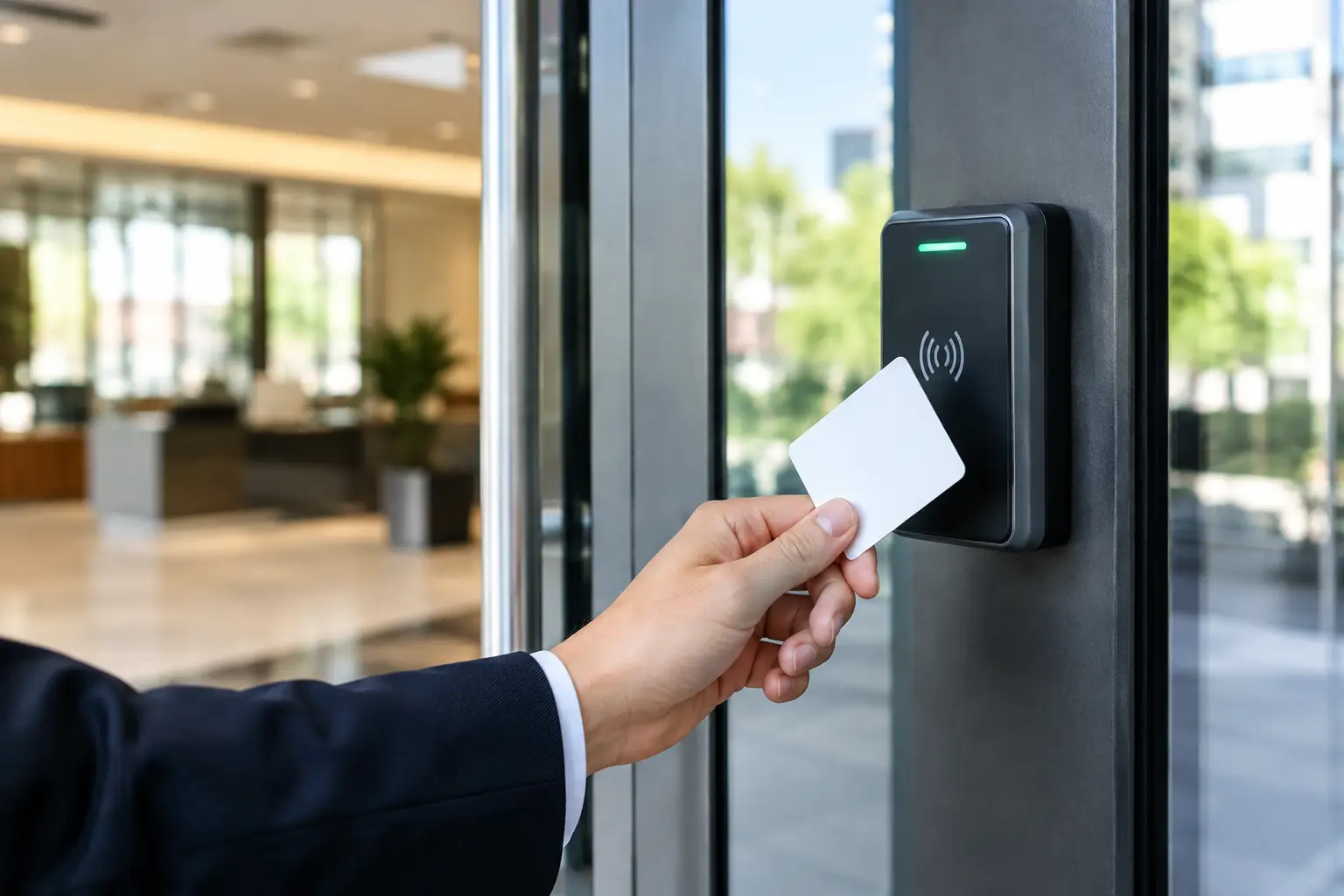
A former employee’s key, a shared keypad code, or an exterior door that never quite latches can create a security gap long before anyone notices it. Wheaton access control upgrades give business owners and property managers a clearer way to manage who enters the building, when they enter, and which areas they can access.
For a busy office, medical practice, retail location, apartment building, or warehouse, the right system does more than replace a key. It helps protect employees, tenants, inventory, records, and day-to-day operations without making normal entry difficult for authorized people. The best upgrade depends on the building, the number of users, the doors involved, and how much control the property needs.
When Access Control Needs an Upgrade
Many commercial properties start with conventional locks because they are familiar and reliable. They may still be the right choice for certain interior doors or small operations. The problem begins when too many keys are circulating, staff turnover is frequent, or management cannot confidently say who has access after hours.
An access control upgrade becomes especially useful when keys have been lost, copied, or not returned. It is also a strong option when a business needs different access levels for employees, managers, vendors, and cleaning crews. Instead of issuing another key that could work everywhere, an administrator can assign entry permissions based on a person’s role.
Door problems can also signal a need for a professional review. A door that slams, fails to latch, has a damaged frame, or does not close consistently may compromise the performance of an electronic lock or access device. Access control is not only about readers and credentials. The door, hardware, power supply, exit equipment, and installation all need to work together.
What Wheaton Access Control Upgrades Can Include
A well-planned system should match the way your property actually operates. A single-entry office may need a simple keypad or card reader at the main door. A larger building may require scheduled access, multiple credential types, monitored entry points, and a way to manage users from a central platform.
Keypad, Card, Fob, and Mobile Entry
Keypads allow authorized users to enter a code. They can work well for smaller teams, but codes should be changed when staffing changes or when a code may have been shared. Card and fob systems give each user an individual credential, making it easier to deactivate one lost item without disrupting the entire team.
Mobile credentials can be a practical fit for organizations where employees prefer to use their phones. They can reduce the need to issue physical items, although phone-based access should be set up with clear enrollment and removal procedures. No credential method is automatically right for every property. The goal is to select one that employees can use consistently while management can control confidently.
Controlled Entry for Sensitive Areas
Not every door requires the same level of access. A property may want the main entrance available to all employees during business hours, while server rooms, supply areas, private offices, and records rooms remain restricted to designated staff.
This tiered approach limits unnecessary access without forcing a business to turn every interior door into a controlled opening. It also helps reduce confusion. Employees know which areas are intended for their work, and managers can adjust permissions as roles change.
Door Hardware and Exit Compliance
Electronic access equipment must never interfere with a safe exit path. The type of locking hardware, door closer, panic hardware, and door configuration matters. Some doors need specialized components to allow controlled entry from the outside while allowing occupants to exit freely from the inside.
A qualified locksmith examines the full opening before recommending equipment. That includes the condition of the door, hinges, frame, latch alignment, existing panic bars, and how the door is used during normal operations. Installing a reader on a door with unresolved mechanical problems does not solve the underlying issue.
Audit Trails and Scheduled Access
For many businesses, accountability is as valuable as convenience. Depending on the system selected, access activity can be recorded so administrators can review entry events. This can be useful when investigating a security concern, confirming vendor access, or identifying patterns such as repeated after-hours entry attempts.
Scheduled access can also reduce the need to manually manage doors throughout the day. For example, certain employee credentials may work only during assigned shifts, while managers retain broader access. These settings should be reviewed periodically so the system reflects current staff responsibilities.
Start With the Building, Not the Device
It is easy to focus on the latest reader or credential type, but the planning process should start with the property itself. A professional assessment identifies which entrances matter most, where people enter during the day, who needs after-hours access, and what happens when power or connectivity is interrupted.
Consider the daily traffic pattern. A customer-facing business may need an entry that remains convenient during open hours but controlled when the business closes. An office suite may need a secure exterior entrance, controlled access to an internal work area, and reliable exit hardware for everyone inside. Multi-tenant properties may need separate permissions for tenants, maintenance personnel, and management.
It also helps to decide who will administer the system. If one office manager will handle credentials, the controls should be straightforward and documented. If several managers need authority, establish clear responsibilities so credentials are not added or removed inconsistently.
Upgrade Your Wheaton Access Control
Multi Locksmith LLC provides licensed, insured, and background-checked access control service throughout Montgomery County.
📞 Call 240-706-4799Avoid Common Access Control Mistakes
The most common mistake is treating access control as a standalone product instead of part of the building’s overall security plan. An electronic lock cannot make up for a weak door, a damaged strike plate, poor lighting around an entrance, or an unmanaged key system elsewhere in the building.
Another mistake is giving every employee the same access. Broad permissions may seem easier at first, but they create unnecessary exposure. Access should reflect what each person needs to perform their job. That does not mean making the system overly complicated. It means using reasonable boundaries for areas that contain sensitive materials, equipment, or information.
Businesses should also prepare for staffing changes. When an employee leaves, their access should be removed promptly. When a contractor finishes a project, temporary credentials should be disabled. A system only provides meaningful control when its user list stays current.
Finally, do not overlook maintenance. Doors shift over time, closers wear, batteries may need replacement, and hardware can be damaged by heavy use. Periodic service helps keep the system dependable and prevents small door issues from becoming an access failure at the wrong time.
Why Professional Installation Matters
Commercial access control brings together electrical components, mechanical locks, door hardware, and security procedures. A poorly planned installation can leave a door unreliable, difficult to use, or improperly secured. It can also create frustration for employees who need dependable access at the beginning and end of every shift.
Working with a licensed and insured locksmith provides a practical advantage because the installation can be evaluated as a complete door-security solution. Multi Locksmith LLC can assess the existing hardware, identify mechanical concerns, and recommend an access control approach that fits the property rather than forcing a one-size-fits-all setup.
For Wheaton business owners and property managers, local mobile support also matters when an entry issue interrupts operations. Whether the concern is a malfunctioning controlled door, damaged exit hardware, lost credentials, or an expanding team, having a professional security partner available brings reassurance when conditions change.
A thoughtful access control upgrade should make your building easier to manage, not harder to operate. Start by identifying the doors, people, and daily routines that matter most, then have a qualified professional evaluate the hardware behind the plan.