
Gaithersburg Home Security Guide for Stronger Doors
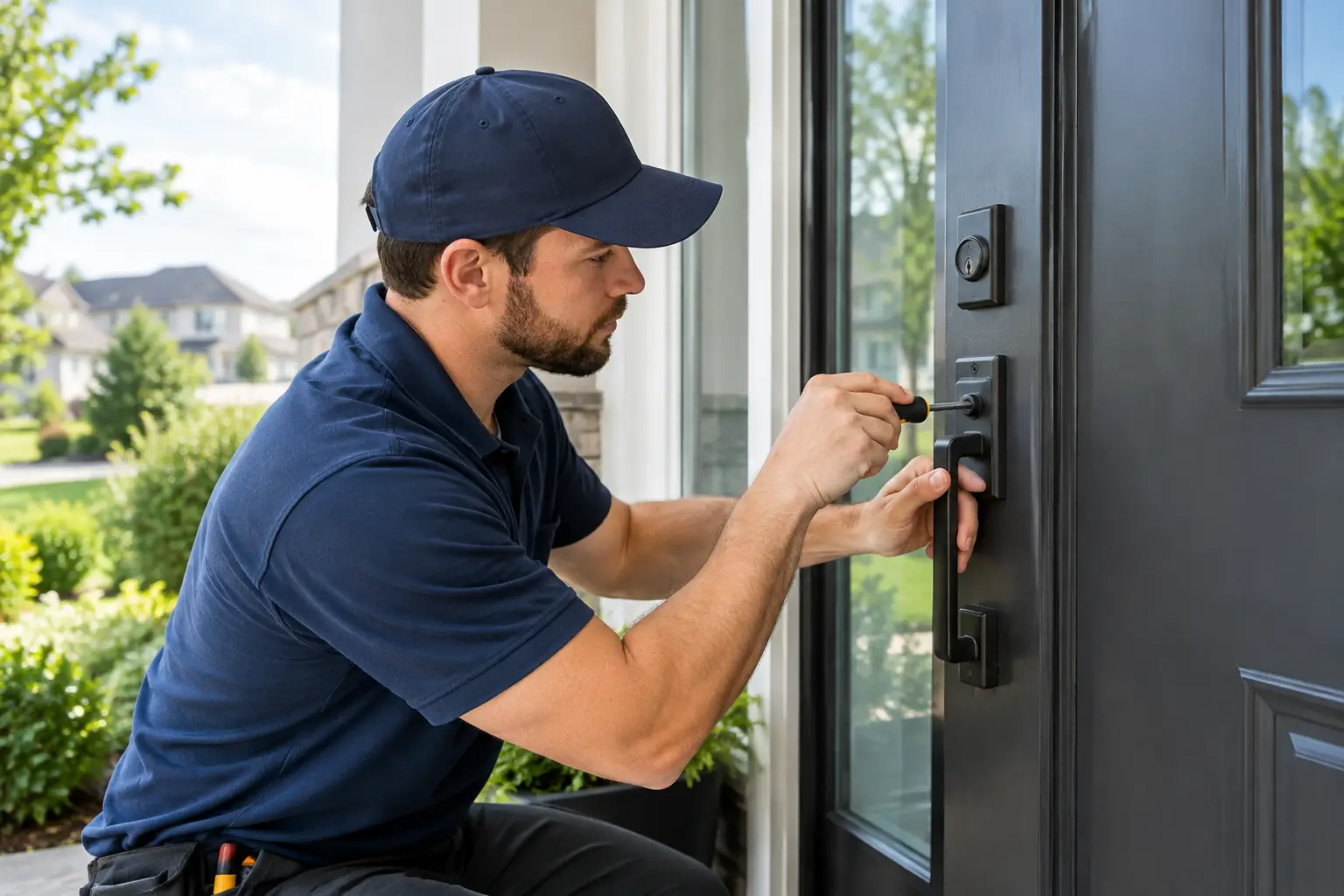
A front door can look solid and still be the weak point of a home. A loose deadbolt, a strike plate held by short screws, an old lock with too many unknown keys, or a door that does not fully latch can all undermine the protection homeowners expect. This Gaithersburg home security guide focuses on practical improvements that address how intruders commonly gain entry: through vulnerable doors, accessible windows, unsecured garages, and compromised keys.
The right plan is not always about adding more equipment. It is about identifying the parts of your property that need attention, choosing reliable hardware, and making sure every component works together. For many homes, a professional lock inspection reveals issues that are easy to miss during day-to-day use.
Start With the Doors People Can Reach
Exterior doors deserve the most attention because they are the primary entry and exit points. Start at the front door, then assess side doors, rear doors, the garage-to-home door, basement entries, and any door leading from a patio or deck. A strong lock cannot compensate for a weak frame, warped door, or damaged jamb.
Check whether each exterior door closes smoothly and latches without needing to be lifted, pushed, or pulled. If the bolt does not extend fully into the strike plate, the door is not providing the level of resistance it should. A loose strike plate, cracked wood around the frame, or visible movement when the door is locked should be corrected promptly.
Choose the Right Deadbolt Setup
A properly installed deadbolt remains one of the most effective physical security upgrades for a home. The deadbolt should extend deeply into a reinforced frame, and the strike plate should be secured with long screws that reach the wall framing rather than only the trim.
Single-cylinder deadbolts are common and convenient because they use a key outside and a thumb turn inside. Doors with nearby glass panels may require more careful planning. A double-cylinder configuration can prevent someone from reaching through broken glass to unlock the door, but it also requires a key for exit from the inside. That creates an emergency-exit consideration. The best choice depends on door design, household needs, and applicable building requirements.
Do not overlook the door itself. Hollow, deteriorated, or poorly fitted doors can limit the value of upgraded hardware. A qualified locksmith can evaluate the lock, strike, hinges, frame alignment, and door condition as a complete system.
Rekey After a Change in Access
Many homeowners replace locks when they move, lose a key, end a relationship, or have work done at the house. In many cases, rekeying is the more direct solution. A locksmith changes the internal pin configuration so existing keys no longer operate the lock, while the hardware remains in place if it is still in good condition.
Rekeying is especially useful after purchasing a home in Gaithersburg. Even if the previous owner provides keys, you cannot know how many copies may still be in circulation or who has them. Contractors, cleaners, neighbors, relatives, and former occupants may have received keys at some point.
It is also worth reviewing access after a roommate moves out, a key ring goes missing, or a key is not returned by a former household employee. Waiting for a concerning incident is unnecessary. Restoring control of access is a straightforward preventive step.
Simplify Keys Without Reducing Control
Homes with multiple exterior doors often accumulate a crowded key ring. Keying compatible locks alike can allow one key to operate selected entry doors, reducing confusion for household members. That convenience should be balanced with how you want access divided between the main house, garage, shed, or rental portion of a property.
Keep spare keys under the control of trusted people rather than hiding them outside. Common hiding spots are familiar to anyone looking for easy access. If a trusted neighbor or family member has an emergency key, confirm that they still need it and that the key has not been copied without your knowledge.
Use Smart Locks With a Clear Access Plan
Smart locks can be a practical addition for households that need flexible access. They may allow code-based entry, temporary guest codes, remote lock status checks, and the ability to remove a code when it is no longer needed. For parents, caregivers, dog walkers, or contractors, this can reduce the need to distribute physical keys.
However, a smart lock should fit the door and the household routine. Battery-powered models need regular battery checks. A lock that is difficult to operate manually, loses connection often, or is installed on a misaligned door will create frustration and may leave the door unsecured.
Before selecting a smart lock, consider who needs access, whether every user is comfortable with the technology, and what happens if a phone is unavailable. A quality installation should preserve reliable manual operation and ensure the bolt aligns correctly with the strike plate. For many homeowners, professional installation prevents the common problems caused by incorrect measurements, loose mounting, or poor door alignment.
Do Not Forget Sliding Doors, Windows, and the Garage
Security planning should extend beyond the front entry. Sliding patio doors can be vulnerable when their latches are worn, tracks are damaged, or the panel can be lifted out of position. A properly fitted secondary blocking device and a functioning lock can make a meaningful difference. The door should also glide and close correctly, since misalignment often prevents the latch from engaging as intended.
Ground-level and accessible windows deserve a check as well. Confirm that locks engage fully and that window frames are in good repair. Window security should never interfere with emergency escape routes. Bedrooms, in particular, need a usable exit path in an emergency.
The garage is another commonly overlooked area. Keep the overhead garage door closed when it is not in use, secure any side entry door with appropriate hardware, and make sure the door between an attached garage and the home has a dependable deadbolt or lockset. Avoid leaving remote controls in vehicles parked outside, where a break-in could provide both the remote and evidence of the home address.
Build Everyday Security Habits That Last
Good hardware works best with consistent routines. Lock exterior doors even during short trips, avoid posting travel details publicly while away, and collect mail and deliveries promptly. Outdoor lighting around entry points can improve visibility and make it easier for neighbors to notice unusual activity.
For households with children or frequent visitors, set simple rules about who can share keys or access codes. If you use a smart lock, remove old codes rather than allowing them to accumulate. If you use traditional keys, label keys discreetly and avoid attaching a home address to the key ring.
A home security routine should feel manageable, not burdensome. Focus first on the doors and access points that see the most use, then work outward to less frequent entries.
Strengthen Your Home’s Doors Today
Multi Locksmith LLC provides licensed, insured, and background-checked residential locksmith service throughout Montgomery County.
📞 Call 240-706-4799When to Call a Professional Locksmith
Some concerns call for more than a quick adjustment. Contact a licensed and insured locksmith when a deadbolt sticks, a key turns without unlocking, a lock has been damaged, a door will not latch properly, or you need to restore control after keys are lost or access changes. Forced entry damage should be addressed quickly so the door, frame, and locking hardware can be evaluated together.
A professional can also help when you are unsure whether to rekey, repair, or replace existing hardware. The correct recommendation depends on the lock condition, the door construction, the number of entry points, and the level of access control your household needs. Multi Locksmith LLC provides mobile locksmith support for homeowners who need this work completed on-site by a verified local professional.
A Practical Security Check for This Weekend
Walk the perimeter of your property in daylight, then look again after dark. Test every exterior lock, check that doors latch cleanly, and note areas where visibility is poor or access is easier than it should be. Do not try to force a sticking lock or ignore a door that needs to be pushed into position before it locks.
The most useful home security improvements are often the ones that remove a small vulnerability before it becomes an urgent problem. A well-fitted door, controlled keys, dependable locks, and a clear access plan give your household protection you can rely on every day.