
Office Lock Upgrade Solutions That Improve Control
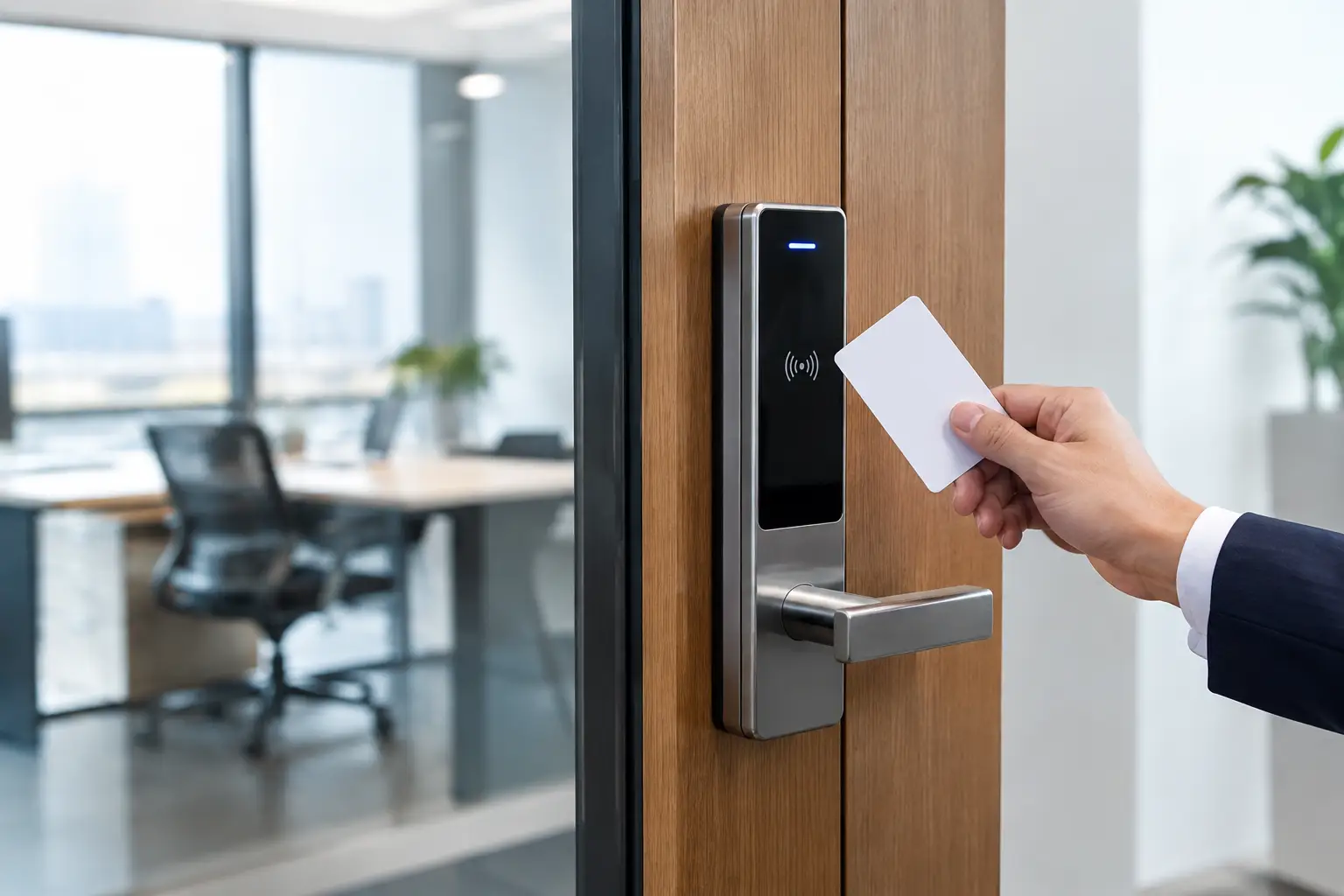
A former employee still has a working key. The front-door deadbolt sticks when the office opens each morning. A supply closet, records room, or server area is accessible to more people than it should be. These are the moments when office lock upgrade solutions move from a future project to a practical business need.
For office operators, property managers, and business owners, an upgrade is not always about replacing every lock in the building. It is about identifying where control has been lost, where hardware no longer supports daily operations, and which changes will give your team dependable protection without creating unnecessary disruption.
Start With the Access Problem, Not the Hardware
The right solution depends on how your office works. A small professional office with a few employees has different needs than a medical practice, warehouse office, property management firm, or multi-tenant commercial building. Before selecting new locks, consider who needs access, which doors need restricted access, how often staff roles change, and whether managers need a record of entry activity.
Mechanical locks remain a strong choice for many exterior and interior doors, especially when paired with disciplined key control. If employees and vendors routinely need different access levels, a master key system can provide a more organized structure. It allows authorized personnel to open only the doors required for their responsibilities while management retains broader access.
Electronic access control may be a better fit when turnover is frequent or access needs to change quickly. Instead of collecting physical keys from every departing employee, an administrator can remove a credential from the system. That can reduce uncertainty after staffing changes and make access permissions easier to manage.
A professional locksmith should inspect the door, frame, hinges, existing hardware, and use of the space before recommending an upgrade. A quality lock cannot perform as intended if the door is misaligned, the strike plate is weak, or the frame has been damaged by years of use.
Common Office Lock Upgrade Solutions
Many offices benefit from a combination of mechanical and electronic security measures rather than a single product. The goal is to build a system that fits the building, the workflow, and the level of control required.
Commercial Grade Deadbolts and Lever Locks
Worn residential-style hardware is often not suited to a busy office entrance. Commercial-grade deadbolts and lever locks are designed for repeated daily use and can be selected based on the door type and traffic level. Lever hardware is often more convenient for employees carrying files, packages, or equipment, while a deadbolt can add another layer of protection on appropriate exterior doors.
The key is proper installation. Door preparation, latch alignment, strike reinforcement, and correct handing all affect how reliably the hardware operates. A lock that binds or requires force to turn creates both a security concern and an avoidable interruption to the workday.
Rekeying for Immediate Key Control
Rekeying changes the lock cylinder so existing keys no longer work. It is often appropriate after employee turnover, a lost key, a tenant change, or uncertainty about how many copies are in circulation. When the lock hardware is in good condition, rekeying can restore control without replacing the entire lock.
However, rekeying is not the answer when the hardware itself is failing, outdated, or inappropriate for the door. A locksmith can help distinguish between a cylinder issue and a complete hardware issue, so the office does not rely on a short-term fix where a replacement is needed.
Master Key Systems
A master key system is useful when several rooms or suites require different permission levels. For example, employees may need access to a shared workspace and restroom, department leads may need access to storage, and a facilities manager may need access throughout the property.
The system must be planned carefully. Giving too many people broad access defeats the purpose, while an overly complicated system can slow down operations. Clear key tracking, limited duplication, and documented authorization help protect the investment over time.
Keypad, Card, and Mobile Credential Access
Electronic locks can eliminate many of the challenges associated with loose keys. Keypads work well for certain staff-only doors, while card, fob, or mobile credential systems can support individual user permissions. Depending on the system, management may be able to review entry events, assign schedules, and remove credentials without changing the lock cylinder.
There are trade-offs. Electronic hardware needs dependable installation, appropriate power planning, and a clear process for administration. A code shared too widely loses its value, and a system with no assigned administrator can become difficult to manage. For offices that need accountability across several doors, properly configured access control is usually more practical than relying on one shared keypad code.
Restricted Areas and Sensitive Records
Not every office door requires the same level of control. Records rooms, IT closets, inventory storage, executive offices, and medication areas may warrant separate access rules. The right approach could be a restricted keyway, a dedicated electronic credential, or a higher-security mechanical lock.
This is also where convenience and control must be balanced. If authorized staff cannot access a room efficiently during normal operations, they may develop workarounds, such as propping open a door or sharing credentials. Good security design accounts for the way people actually work.
Do Not Overlook the Door and Exit Hardware
Office security is more than the lock cylinder. A door that does not latch fully, a loose strike plate, damaged hinges, or a weak frame can undermine an otherwise strong upgrade. During an on-site evaluation, these components should be inspected alongside the lock.
Exit doors deserve particular attention. Panic bars and other exit hardware must allow occupants to leave quickly and reliably while maintaining controlled entry from the exterior. Improperly installed or poorly functioning panic hardware can create serious operational and compliance concerns. Commercial locksmith service should address both access control and the building’s required exit path.
Signs Your Office Should Upgrade Now
Some security concerns are obvious, but many develop gradually. If keys have changed hands repeatedly over the years, there may be no reliable record of who still has access. If employees report that a lock sticks, spins, or requires repeated attempts, the hardware should be inspected before it fails at an inconvenient time.
Other warning signs include doors that are routinely left unsecured, a former employee whose key was never recovered, unsecured high-value equipment areas, or a growing business operating with the same access setup it had when only a few people worked there. A recent break-in attempt, tenant turnover, or office relocation also creates a natural point to reassess locks and access permissions.
Ready to Upgrade Your Office Locks?
Multi Locksmith LLC provides licensed, insured, and background-checked commercial locksmith service throughout Montgomery County.
📞 Call 240-706-4799A Practical Upgrade Process for Montgomery County Offices
A well-planned upgrade starts with a walkthrough, not a guess. A locksmith should identify each entry point, verify the door material and condition, review current access needs, and ask where problems occur during the day. From there, the recommendation can prioritize the areas that need attention first.
For some businesses, that means rekeying exterior doors and establishing a controlled key hierarchy. For others, it may mean replacing failing hardware, adding electronic access to staff-only areas, or installing panic hardware on an exit door. The most effective solution is the one your team will use correctly every day.
Multi Locksmith LLC provides licensed, insured, and background-checked commercial locksmith service for offices throughout Montgomery County. On-site assessment matters because a lock upgrade should fit the actual door, the building’s daily traffic, and the people responsible for managing access after installation.
Keep the System Working After Installation
An office lock upgrade is not a set-it-and-forget-it task. Designate a person responsible for key and credential administration, document who receives access, and review permissions after staffing or role changes. Physical keys should be issued deliberately, not copied informally and passed from person to person.
Electronic systems also benefit from routine review. Remove credentials that are no longer needed, update shared codes when appropriate, and make sure administrators know how to handle a lost fob, employee departure, or system alert. Small habits preserve the control that the upgrade was meant to provide.
The best time to address office access is before a failed lock, missing key, or staffing change turns into an urgent problem. A professional evaluation can turn scattered hardware and unclear permissions into a dependable system that supports the way your office operates.