
Can Smart Locks Get Hacked? What Homeowners Should Know
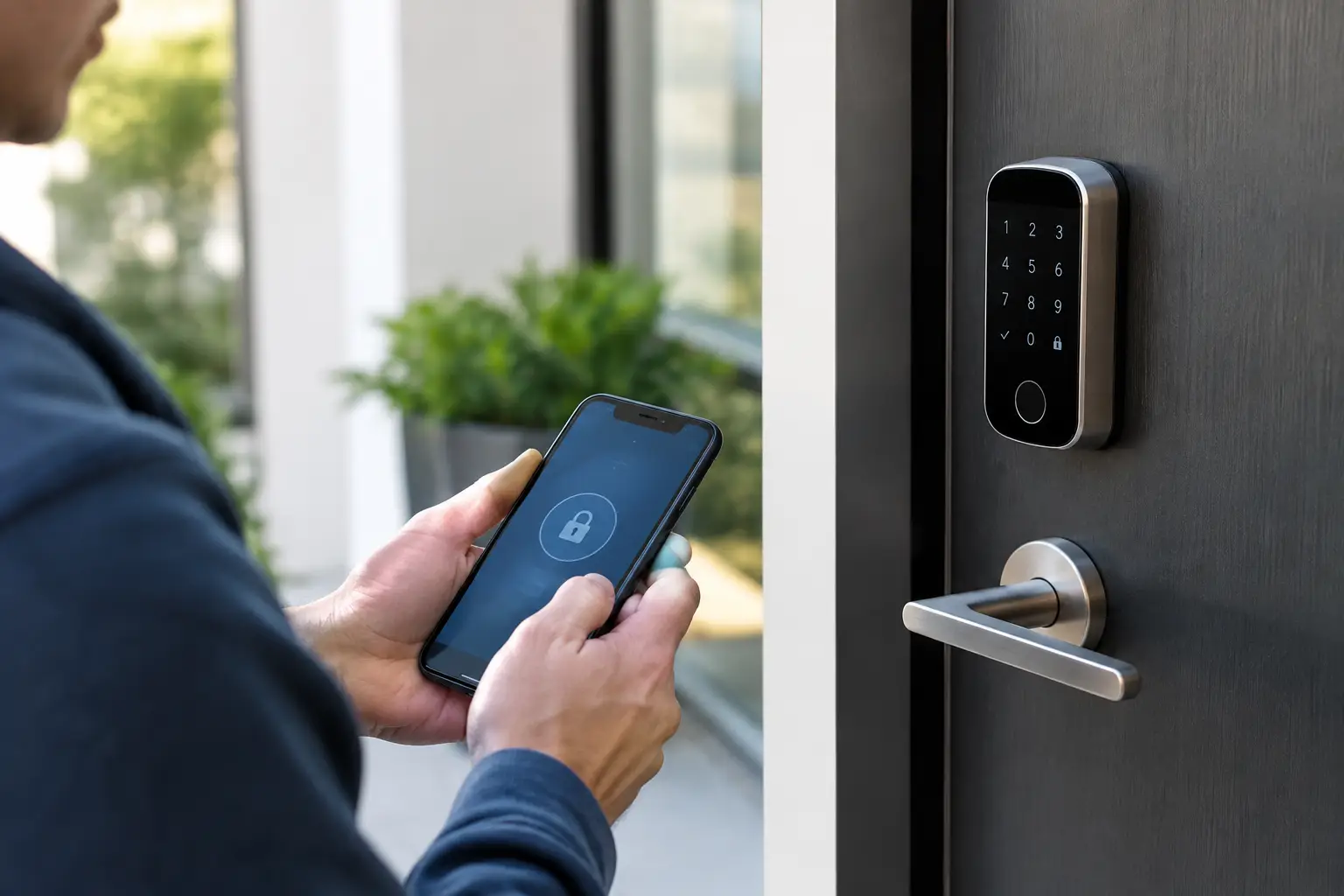
A smart lock should make coming home easier, not leave you wondering whether your front door is exposed. So, can smart locks get hacked? Yes, they can. Like any connected device, a smart lock has potential digital and physical weak points. But that does not mean every smart lock is an easy target or that a traditional key lock is automatically the better choice.
The real question is whether the lock, its installation, and the way it is managed give someone an unnecessary opening. A quality smart lock installed correctly and maintained by the owner can be a strong part of a home or business security plan. A poorly chosen model, weak account password, or loose deadbolt can create problems that have little to do with the convenience of keyless entry.
Can Smart Locks Get Hacked? Understanding the Real Risks
Most concerns about smart locks focus on a stranger sitting nearby and opening a door with a phone. That scenario gets attention, but it is not the most common risk. Credential theft, weak passwords, outdated software, unsecured home networks, and improper installation are usually more realistic concerns.
Smart locks communicate through Bluetooth, Wi-Fi, a bridge device, a keypad, or a combination of these methods. The technology itself is not inherently weak. Reputable manufacturers use encryption and account protections designed to prevent unauthorized commands. However, protection only works when the lock is configured properly and the connected account is protected.
A compromised email account, for example, may give an intruder a route to reset the password for a lock app. Reusing the same password across multiple accounts increases that risk. Leaving old guest codes active after a tenant, contractor, employee, or household member no longer needs access can create an even simpler problem. No technical skill is required when someone still has a valid code.
Physical security matters just as much. A smart deadbolt still relies on the strength of the door, frame, strike plate, mounting hardware, and lock installation. If the bolt does not fully extend into the frame, if screws are too short, or if the door is misaligned, the electronic features cannot compensate for that weakness.
The Most Common Ways Smart Lock Security Breaks Down
Not every issue is a sophisticated cyberattack. In many cases, smart lock trouble begins with ordinary oversights that build over time.
Weak or Reused Account Passwords
Your lock app should have a unique, long password that is not used for email, banking, shopping, or social media. Turn on two-factor authentication when the manufacturer offers it. This step adds a meaningful barrier if someone obtains your password through a data breach or phishing attempt.
Be careful with shared household logins, too. Each person who needs access should use their own account or assigned access code whenever the system supports it. That makes it easier to remove access without disrupting everyone else.
Old Firmware and App Versions
Manufacturers issue firmware updates to correct bugs, improve reliability, and address newly discovered weaknesses. If updates are available, install them promptly. Some locks update automatically, while others require approval through the app or a nearby bridge.
Before buying a smart lock, look beyond its features. Choose a manufacturer with a history of supporting its products after installation. An inexpensive device without ongoing updates may become harder to trust over time.
Overlooked Access Codes and Digital Keys
Temporary access is one of the strongest reasons to use a smart lock. You can assign a code to a dog walker, cleaner, contractor, tenant, or employee without handing out a metal key. The benefit disappears when those codes are never reviewed.
Set expiration dates for temporary codes. Remove access as soon as a work arrangement ends. For businesses and rental properties, establish a routine for reviewing users after staffing changes, tenant turnover, or vendor changes.
An Unprotected Home Network
Wi-Fi-connected locks depend partly on the router that connects them to the internet. An outdated router, weak Wi-Fi password, or old network encryption can affect more than one device in the building.
Use a strong router password, current encryption settings, and regular router updates. If your router supports a guest or separate network for connected devices, consider using it. This can limit exposure between devices while keeping your lock system functional.
Poor Installation or a Weak Door Assembly
A lock is only one piece of the entry system. Doors that drag, frames that have shifted, worn strike plates, and damaged deadbolts can lead to lockouts, unreliable operation, or reduced resistance to forced entry.
Smart lock installation should include more than attaching the interior unit and connecting an app. A professional should verify that the bolt operates smoothly, the latch aligns correctly, the strike area is secure, and the lock is compatible with the door and existing hardware. This is especially important for older homes and high-traffic commercial doors.
How to Make a Smart Lock Harder to Compromise
You do not need to become a technology expert to manage smart lock security well. A few regular habits make a significant difference:
- Use a unique account password and enable two-factor authentication when available.
- Install app, firmware, and router updates without putting them off.
- Give every user their own code or digital key instead of sharing one household code.
- Delete former users, expired guest codes, and old mobile devices from the account.
- Check that the door closes cleanly and that the deadbolt fully engages every time.
Also, keep a backup entry plan that fits your property. Some smart locks include a traditional key cylinder, while others use an emergency power connection or a mechanical override method. Know how your specific model works before there is a battery failure or phone problem at the door.
For commercial properties, access management needs more structure. A standalone smart lock can work well for a small office, storage room, or limited-use entry. Larger operations may need an access control system, properly managed user permissions, and hardware designed for frequent use. A locksmith can help match the system to the building rather than forcing a residential product into a commercial application.
Want a Smarter, Safer Smart Lock Setup?
Multi Locksmith LLC provides licensed, insured, and background-checked smart lock installation throughout Montgomery County.
📞 Call 240-706-4799Warning Signs That Need Attention
A smart lock does not need to be hacked to show that something is wrong. Treat repeated connection failures, unexpected access notifications, unrecognized codes, delayed locking, or an app login you do not recognize as reasons to investigate immediately.
First, change the account password and remove unknown users or devices. Check whether the lock, app, and router need updates. If the issue involves the door hardware itself, such as sticking, grinding, or a bolt that will not align, stop relying on the lock until it has been inspected. Forcing a failing lock can damage the mechanism or leave the property inaccessible.
If you believe someone may have had unauthorized access to your account or property, document what you notice and contact a qualified local locksmith for a hardware inspection. Depending on the situation, the right response may include rekeying compatible cylinders, replacing damaged hardware, correcting the installation, or changing the access setup.
Are Smart Locks a Good Choice for Your Property?
For many homeowners, smart locks offer real advantages: no spare key hidden outside, controlled guest access, activity alerts, and the ability to confirm whether a door is locked. They can be particularly useful for busy households, rental properties, and caregivers who need temporary access.
They are not the right fit for every door. A property with unreliable Wi-Fi, a severely misaligned door, or users who do not want to manage apps and codes may be better served by a high-quality traditional deadbolt. The best choice depends on how the entrance is used, who needs access, and whether the surrounding hardware is in good condition.
Multi Locksmith LLC helps homeowners and businesses in Montgomery County assess door hardware, install smart locks correctly, and address lock problems on-site. Licensed, insured, and background-checked service matters when you are trusting someone with the security of your home, office, or property.
A smart lock should reduce daily friction without creating uncertainty. Choose dependable hardware, control access carefully, and have the entire door assembly checked when something does not feel right. That attention is what turns a convenient device into a reliable part of your property’s protection.